

























































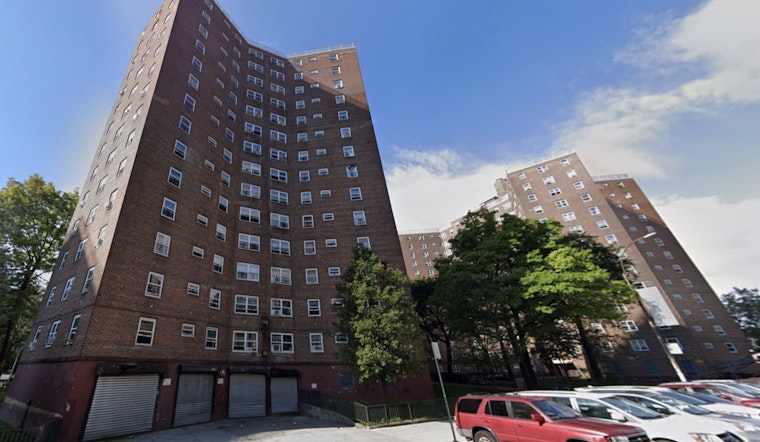
Tenants and organizers packed into Melrose Houses in the Bronx on Sunday, fed up with mold, leaks and busted repairs that drag on for months. Their demand was blunt: a bigger, better-funded ombudsperson call center with enough muscle to force NYCHA to move much faster on overdue work. The demonstration drew Metro-IAF leaders and Rep. Ritchie Torres, who said the city needs to honor what organizers describe as a roughly $102 million campaign pledge to expand the service. Advocates argued that quicker intervention could spare public-housing families from months of hazardous and humiliating living conditions.
At a news conference, organizers pressed the city to act - a push detailed by PIX11. Ombudsperson César de Castro told reporters, "If nothing has happened in seven days to your satisfaction, you call the ombudsperson call center," explaining that his office can order NYCHA to complete mold and leak repairs. Organizers said those orders are typically unappealable. Tenants at the event said the call center can sometimes get repairs done quickly, but that it simply cannot keep up with the volume of stalled cases without more staff and funding.
How the ombudsperson works
The ombudsperson and the independent call center were created under the Baez v. NYCHA consent decree and operate outside the housing authority, according to the program’s site. As outlined by the Ombudsperson Call Center, residents are supposed to first report mold or leaks to NYCHA’s Customer Contact Center, then escalate unresolved issues to the OCC, which can arrange virtual inspections and press for repairs. The office was appointed by the court to act as a watchdog for residents, with authority to follow up when NYCHA stalls or lets tickets sit.
How many residents have used it
Organizers say the call center already carries a heavy load. Metro-IAF notes that the OCC has assisted more than 30,000 NYCHA households, a number advocates point to when arguing the service should be scaled up. Tenants and organizers say that figure still undercounts the real backlog of problems citywide, since many residents never get to the escalation step or give up after repeated delays. Expanding the OCC, they argue, would match its enforcement power with enough caseworkers to track repairs all the way through completion.
Why tenants want it expanded
Residents at Melrose Houses described chronic delays and quick-and-dirty fixes that leave families living with damp walls, recurring mold and ruined belongings for months at a time. Tenant groups and local coverage say many NYCHA residents still do not know the OCC exists or how to use it, so organizers want any expansion tied to a serious outreach campaign, as reported by News 12 Bronx. Advocates and reporters say residents often only see real movement on repairs after they escalate a ticket, which is why they insist the OCC needs more staff and more budget authority.
City money and the mayor
At Melrose Houses, organizers zeroed in on a roughly $102 million figure they say Mayor Zohran Mamdani pledged during the campaign to expand the call center, and they urged his administration to lay out a clear operating plan for that money. PIX11 also reported on the push and quoted leaders calling on the mayor to follow through. Tenant groups say they plan to keep pressing city officials at upcoming hearings until there is a concrete timeline and staffing blueprint for expansion.
How to reach the ombudsperson
NYCHA directs residents to report leaks or mold first to the agency’s Customer Contact Center, and then to escalate unresolved cases to the independent OCC. The OCC can be reached at 1-888-341-7152 or online at ombnyc.com, per NYCHA's guidance. Advocates say any expansion should combine more staff with a citywide outreach push, so the tool actually reaches the tenants who need it most. For now, tenant leaders say the message is straightforward: know your options, call the OCC when NYCHA stalls, and keep escalating until the work is done.





