

























































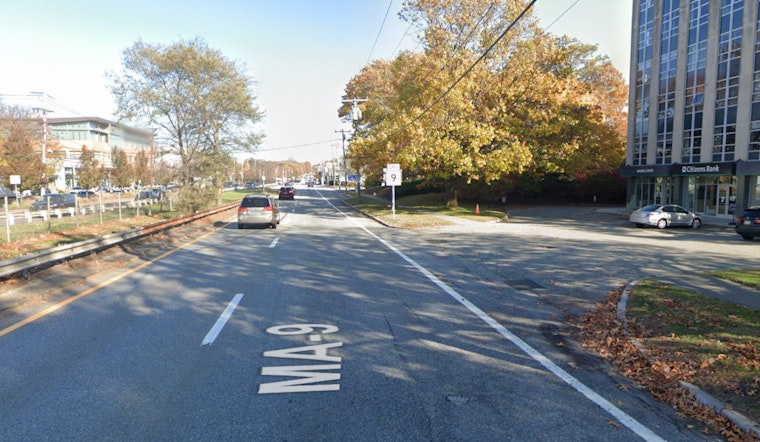
Brookline Town Meeting members have signed off on zoning changes that clear the way for one of the biggest makeovers Route 9 has seen in years. Their vote opens the door for a low‑rise office park at 1280–1330 Boylston Street to be torn down and replaced with much taller buildings that would bring new housing, a sizable hotel and fresh commercial space to Chestnut Hill. Backers see a long‑awaited boost to the commercial tax base, while critics are bracing for taller skylines, more traffic and a different neighborhood feel.
As reported by the Boston Business Journal, Town Meeting voters approved two procedural steps that let City Realty Group’s proposal move into the site‑level permitting phase. That coverage notes the plan calls for roughly 266 residential units, a 200‑room hotel and space for medical offices, retail and event or meeting uses, wrapping up months of public review and debate over what Route 9 should look like in the future.
According to the Town of Brookline's Special Town Meeting materials, the rezoning creates a new Chestnut Hill Commercial (CHC) overlay, complete with subdistricts that focus taller, denser buildings along Route 9 while reinforcing commercial activity on the ground floor. The packet also summarizes a draft Memorandum of Agreement with the site owner that links approvals to a bundle of public benefits and guardrails for the town.
Developer Plan And Scale
City Realty, marketing the redevelopment as Meridian Chestnut Hill, lays out a three‑building complex of about 7, 12 and 14 stories. The proposal includes roughly 266 homes, with 21 on‑site affordable units, plus a 200‑room hotel, medical office space, ground‑floor retail and a public plaza. The developer’s materials also forecast millions in new annual tax revenue and sizable one‑time payments to support housing and streetscape upgrades.
Deal Terms And Public Benefits
The town’s packet details a draft MoA that estimates about $5.6 million in net new annual tax growth for Brookline, along with roughly $24 million in mitigation and public‑benefit commitments. That includes approximately $11 million earmarked for the Affordable Housing Trust Fund, on top of a 95‑year Tax Certainty Agreement that would be recorded to lock in the town’s expected revenue. The agreement includes penalties and other protections meant to compensate Brookline if commercial space does not materialize as promised, and it ties the MoA’s enforceability directly to the conditions approved by Town Meeting.
Developer Purchase And Local Context
City Realty purchased the five‑acre Chestnut Hill Office Park in 2024 and began working with town staff and advisory committees on a project built around significant commercial tax gains, a dynamic first highlighted by Banker & Tradesman. The property’s size and its location, across Route 9 from The Street shopping center, have turned it into exhibit A in Brookline’s effort to grow commercial revenue without immediately leaning harder on residential taxpayers.
Neighbors’ Concerns And What Comes Next
Public comments at hearings underscored a clear split. Supporters focused on jobs, new housing and potential tax relief, while opponents zeroed in on traffic, parking spillover and worries about changing neighborhood character. Officials in neighboring Newton also raised traffic concerns during the review. Local reporting by Brookline.News notes that the zoning vote followed weeks of often‑intense public debate. With the overlay now in place, City Realty will still need special permits, design review and other approvals before any construction crews show up.
For Brookline, the vote marks a pivotal bet on Route 9’s future. Supporters say it finally unlocks long‑sought commercial growth and revenue, while opponents caution that the real test starts once shovels hit the ground. From here, the fight shifts from whether to build taller on Route 9 to how the town manages traffic, transit and design as the permitting process grinds on.





