

























































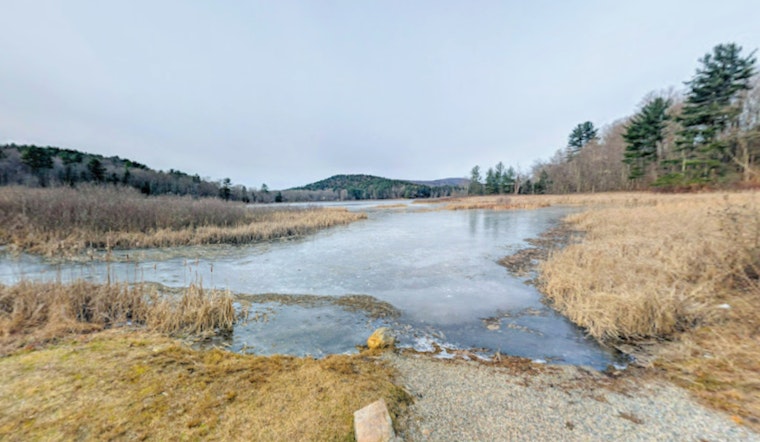
Walkers expecting a peaceful lap around Leverett Pond instead got a gut punch of a wildlife sighting: dozens of dead invasive Asian carp scattered along the shore, some of them big enough that you could not miss them if you tried. The carcasses lined grassy patches and shallow edges of the water, rattling birdwatchers and Emerald Necklace regulars and prompting calls to state officials.
Where and what was found
Leverett Pond sits in Olmsted Park on the Boston-Brookline boundary and is part of the Muddy River chain of ponds, according to Boston.gov. Local coverage described how "the shores of the pond are lined with dead fish," and park observers identified the bodies as invasive Asian carp. As reported by CBS Boston, neighbors and park staff contacted authorities after spotting the fish along the shoreline.
What state officials say
The Massachusetts Division of Fisheries and Wildlife notes that most fish kills tend to be natural events, often tied to low dissolved oxygen, the stress of spawning, or disease. Even so, the agency urges residents to report any large die-offs so biologists can rule out pollution or other problems. According to MassWildlife, the Environmental Police radio room is staffed around the clock at 1-800-632-8075, and a biologist evaluates reported sites. Officials point out that shallow, weedy ponds in late spring can warm up fast, causing oxygen levels to drop quickly and leaving waterbodies vulnerable to sudden fish kills.
Has Asian carp been recorded here before?
Asian carp are most often associated with the Mississippi and Illinois river systems, where they have become a notorious invasive problem. Federal records, however, show detections and infestations in New England waterbodies in past years as well. U.S. Fish & Wildlife Task Force meeting minutes document earlier infestations and monitoring work in parts of Massachusetts, including surveys in the Congamond Lakes and other inland waters. Those records highlight that carp turning up in new places can reflect isolated introductions or human-assisted movement, rather than simple slow creep of their range.
Why this matters
Asian carp are plankton-eating machines that can edge out native fish by stripping away the base of the food web. Over time they can reshape entire aquatic ecosystems and hurt recreational fishing and boating, which is why agencies spend so much time and money trying to keep them contained. Long-running efforts such as the Brandon Road Interbasin Project show the national scale of the fight and why even a single detection sets off alarm bells for managers and lawmakers. For a broader look at large-scale barrier and containment projects, see reporting from WBEZ.
What residents should do
Officials are clear on one thing: do not pick up or move the dead fish. Keep kids and pets away from the carcasses and skip any do-it-yourself cleanup. The state asks that anyone who discovers a fish kill contact the Massachusetts Environmental Police at 1-800-632-8075 so authorities can collect samples and decide whether a pollution investigation is needed, as outlined by MassWildlife. Local park staff and volunteers are expected to keep an eye on Leverett Pond and coordinate with wildlife officials, and CBS Boston reported that crews were alerted to the scene.




