

























































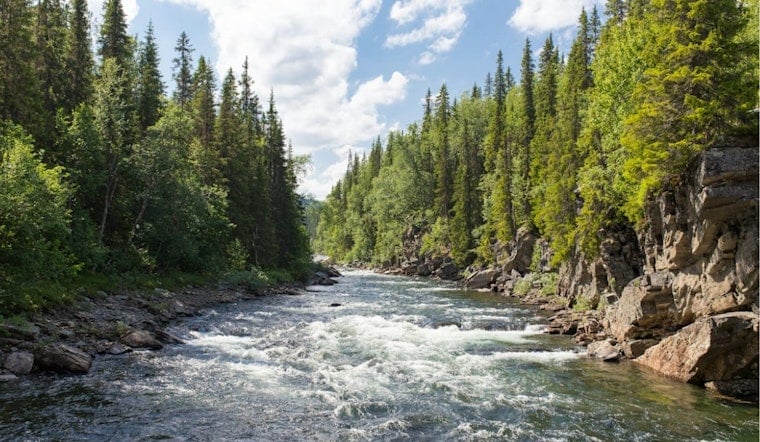
The Colorado Water Trust is putting cash on the table for ranchers and other water-rights holders this spring, paying them to leave water in rivers instead of sending it down irrigation ditches. The goal is simple and a little counterintuitive for farm country: keep more water in key stretches of stream so stressed fish have a shot at surviving what is shaping up to be a tough runoff season.
This is pitched as extra income, not a land grab. The trust is offering short-term deals that do not permanently strip senior rights or push anyone out of agriculture. The timing is no accident, either. Forecasts and stream gauges are pointing to a summer where many Colorado rivers and headwaters could run well below normal.
As reported by The Colorado Sun, the trust, founded in 2001, has issued a statewide “Request for Water” to find willing water owners for temporary instream or split-season arrangements and has already received at least one inquiry. Executive director Kate Ryan told the paper, “This is a totally unprecedented situation.” The Sun noted data showing many streams are projected to see well under half of normal flows this year and reported that funders are lined up to help pay for deals that keep water in the reaches that matter most for fish.
How the payouts would work
Most water in Colorado goes to fields, not faucets. Experts estimate that agricultural users consume roughly 80% of the state’s working water supply. So the trust is not trying to buy out farms. Instead, it is leaning on temporary leases and split-season arrangements that leave land in production, according to Water Education Colorado.
The Colorado Water Trust’s Request for Water FAQ lays out the menu: single-year leases, three-in-ten year leases, and longer contracts that can be tailored to each operation. It also spells out legal protections intended to keep participants from losing any historical consumptive use or seeing their water rights diminished just because they volunteered in a bad water year.
Those guardrails are the sales pitch. The trust is telling landowners they can preserve their rights for the long haul while generating income in a season when irrigation might not pencil out anyway.
Where flows are projected to fall
Federal and regional outlooks are not leaving a lot of room for optimism. A recent seasonal update on Drought.gov and NRCS-derived forecasts highlight widespread below-normal spring and summer runoff in many Colorado basins. The federal briefing notes that many forecast points in the Upper Colorado Basin could see flows well below average this year.
Some real-time gauges are already backing that up. Flow monitors in parts of the state are reporting percentages in the low teens below normal, according to Snoflo. That combination of very little water and very high demand is why the trust says it has to move quickly to secure whatever water can actually reach the stretches where fish are most at risk.
Ranchers' reaction and practical limits
Of course, none of this works if irrigators do not have water to give in the first place. Some are already skeptical that they will have any spare supply or that what they do have can be reliably delivered downstream.
As one Carbondale rancher told The Colorado Sun, “I don’t think there is going to be any water,” a blunt assessment that suggests many operations are right on the edge this year.
When headwater ditches and canals are nearly dry, there is a hard ceiling on how much this kind of program can accomplish. The trust openly acknowledges that if there is no physical water to move, no amount of money will make the strategy work at scale.
Can it help farms weather the drought?
The trust argues that for some producers, the math is changing. If the economics of cutting hay or growing another crop have fallen apart for the season, getting paid to leave water in the stream might be the better business decision.
In a recent statement, the Colorado Water Trust said it is coordinating with irrigators, conservancy districts, state agencies, and funders to run an expanded slate of projects this year. The organization expects to restore thousands of acre-feet of water to priority stream reaches. Program materials emphasize confidentiality at the offer stage and highlight contract terms designed to limit long-term harm to participating farms and ranches.
Legal and regulatory hurdles
Turning irrigation water into an instream flow is not as simple as closing a headgate and calling it good. Under Colorado law, only the Colorado Water Conservation Board can hold instream flow rights. That means the CWCB plays a central role in approving, accepting, and administering many of the deals the trust is trying to set up.
The board’s Instream Flow Program page explains the rules of the road, including the mix of short-term leases, long-term transfers, and other tools that can be used to boost flows while still fitting inside Colorado’s prior-appropriation system.
Whether all these offers add up to a meaningful volume of water this summer will ultimately depend on two things: where there is water that can realistically be moved, and how many landowners raise their hands. Officials say they will be watching gauge data and the fine print of individual contracts closely as the season plays out.




