

























































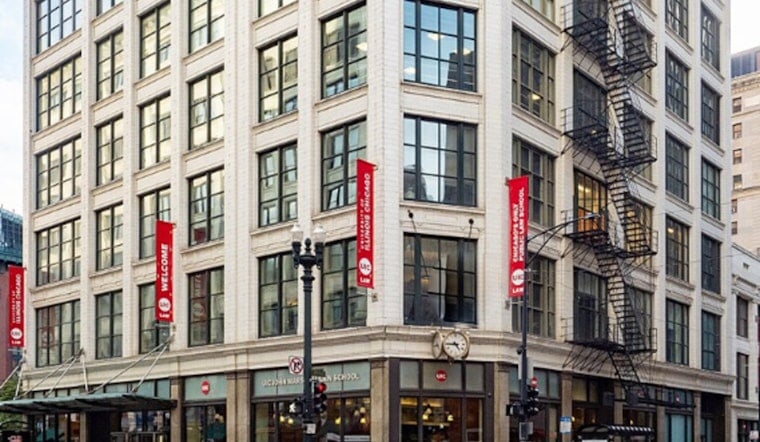
On Wednesday, May 20, 2026, the U.S. Commission on Civil Rights brought its public "People’s Hearing" to the University of Illinois Chicago School of Law, and the stories that emerged were anything but abstract policy talk. Residents, lawyers, and advocates described last fall’s Operation Midway Blitz as leaving their neighborhoods "under siege," with sweeping arrests, chemical agents, and detentions that they said scrambled daily life.
The forum, formally billed as the "People’s Hearing on Immigration Enforcement," was set up to build a public record that organizers hope will fuel oversight, policy changes and, potentially, prosecutions. It was held at UIC’s downtown law school and facilitated by the commission, according to the Hispanic Federation and the U.S. Commission on Civil Rights.
What witnesses described
Speaker after speaker walked commissioners through scenes that sounded more like a crackdown than routine enforcement. They talked about raids that involved tear gas, arrests outside courthouses, and what they characterized as racial profiling and excessive force.
Local business owners said the fallout hit their bottom lines almost immediately. Marcos Carbajal, owner of Carnitas Uruapan, testified that customers stopped coming and revenue plunged. "The numbers told the same story: When people are afraid, they stay home," he said, as reported by the Chicago Sun‑Times.
Numbers behind the surge
Advocates backed up those accounts with arrest data tied to the operation. Chicago‑area apprehensions jumped to roughly 760 in September and about 2,074 in October, according to data compiled by the Deportation Data Project and reported by ABC7 Chicago. Local analysis also pointed to hundreds of deportations and a significant number of people detained who had little or no criminal history.
Deadly stops and legal fallout
Testimony did not stop at spreadsheets. Witnesses and advocates spotlighted violent encounters linked to the blitz, including the fatal shooting of Silverio Villegas González in Franklin Park and the shooting of Marimar Martinez in Brighton Park, incidents that have already triggered state and local reviews. Coverage of those cases and the resulting probes appears in reporting and briefings by outlets such as NPR Illinois and WTTW.
Calls for accountability
Many speakers used their time at the microphone to push for formal inquiries and possible prosecutions. Former federal judge Rubén Castillo recommended seeking a special prosecutor, and organizers said the hearing was designed in part to help build an evidentiary record for oversight and legal action. U.S. Commission on Civil Rights Chair Rochelle Garza told attendees that the testimony could bring "transparency and accountability — and hopefully justice," according to the Chicago Sun‑Times.
State authorities have already opened or pledged additional reviews in some cases. The Illinois State Police announced an inquiry into the Franklin Park shooting after local officials requested assistance, and the Illinois Accountability Commission has documented contested tactics used during Midway, reporting that its findings could feed into criminal or administrative inquiries, per Capitol News Illinois and WTTW.
Organizers and attorneys said they plan to keep gathering sworn testimony and documentary evidence so the commission’s record can inform federal oversight, congressional inquiries and state prosecutions as the various reviews play out. For critics of Operation Midway Blitz, the hearing and its growing stack of datasets and first‑hand accounts are meant to leave a clear trail for investigators and advocates to follow.





.jpg)