

























































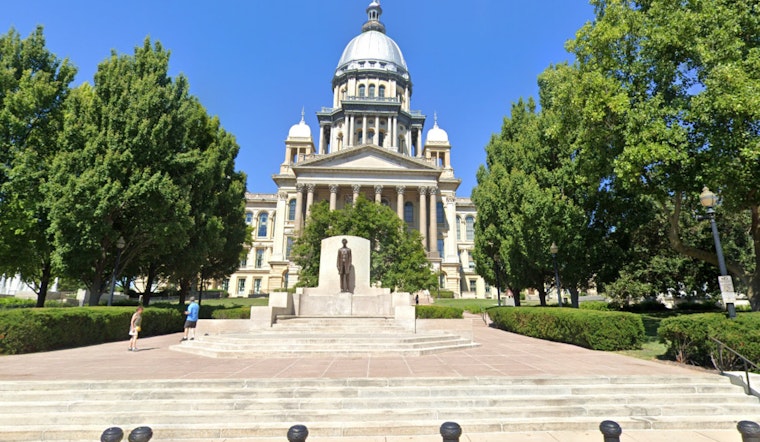
Busloads of Chicago-area union members rolled into the Illinois State Capitol in Springfield last Wednesday, turning the lawn outside the dome into the opening scene of a high-stakes fight over a sweeping "billionaires tax" package. After rallying at the base of the Capitol, members fanned out to meet with lawmakers, pitching the plan as a way to stabilize funding for schools and public transit, deliver property-tax relief, and unwind what organizers describe as unfair federal tax breaks for corporations and the ultrawealthy. The demonstration marked the first big move from a new labor-backed coalition pushing a multi-part revenue plan.
Unions Bring A Statewide Revenue Push
According to People's World, the Chicago Teachers Union, SEIU Healthcare Illinois, Cook County College Teachers Union Local 1600, SEIU Local 73, the Illinois Federation of Teachers and Warehouse Workers for Justice joined forces with the Illinois Revenue Alliance for the May 27 action. The outlet reports the coalition held a morning press conference in Chicago, then put members on buses to Springfield to rally outside the Capitol and lobby legislators inside. Organizers told the crowd they want Illinois to break from federal tax carve-outs and find new revenue streams so the state can avoid cutting essential services.
What The Illinois Revenue Alliance Wants
The Illinois Revenue Alliance is backing a multi-part plan it says could raise roughly $4 billion by pairing a billionaire wealth tax with a digital advertising tax, worldwide combined reporting and other closures of corporate loopholes, according to Illinois Delivered. Supporters say the money would go toward education funding, shoring up transit, and easing property-tax pressure on homeowners. The platform also calls for decoupling the state tax code from recent federal changes that advocates argue have drained Illinois of revenue.
Numbers And Lawmaker Backing
State lawmakers who joined the coalition at its events have floated early estimates of what the package could bring in. WAND reports that a billionaire wealth levy could generate revenue in the high hundreds of millions of dollars each year, while a digital ad tax could add roughly $725 million annually. State Sen. Robert Martwick told People's World that cracking down on overseas income parked in tax havens could net about $434 million a year on its own. Chicago Teachers Union Vice President Jackson Potter summed up the case in blunt terms, the outlet reports: "How do you close the [state] deficit? Tax the rich."
Legal Hurdles And Precedent
The concept of taxing unrealized gains or billionaire wealth has surfaced in Springfield before. A House panel advanced a proposal to tax unrealized gains last October, according to Law360. But as LegalNewsline/Cook County Record reports, tax and constitutional experts warn that such measures face difficult questions around how to value assets, how to administer the tax, and how to survive potential equal-protection challenges. Those complications are likely to shape any bill’s path through committee as well as the litigation that could follow if a measure passes.
What’s Next In Springfield
Earlier this spring, advocates had eyed the ballot box as their route, but the clock worked against them. City Bureau noted a May 3 deadline to approve a constitutional amendment in time for the November ballot, a window organizers largely missed. Coalition leaders say the focus now shifts to statutory changes and revenue bills that lawmakers can pass directly. Legislators will have to weigh those proposals against budget deadlines and competing priorities as the session winds down, and supporters acknowledge that both politics and the courts will play central roles in determining how far any measure gets. Organizers say the Springfield rally was designed to keep pressure on lawmakers throughout those negotiations.
Union leaders have cast the whole push as a stark choice for Springfield: accept cuts to core services or raise new revenue from those at the very top. Opponents are already lining up policy arguments and legal challenges, setting the stage for a shift from speeches on the Capitol lawn to hearings in committee rooms and, potentially, arguments in court. For now, the buses have headed back to Chicago, but labor’s bid to make billionaires pay, and the debate over whether Illinois can or should do it, is only just getting underway.




