

























































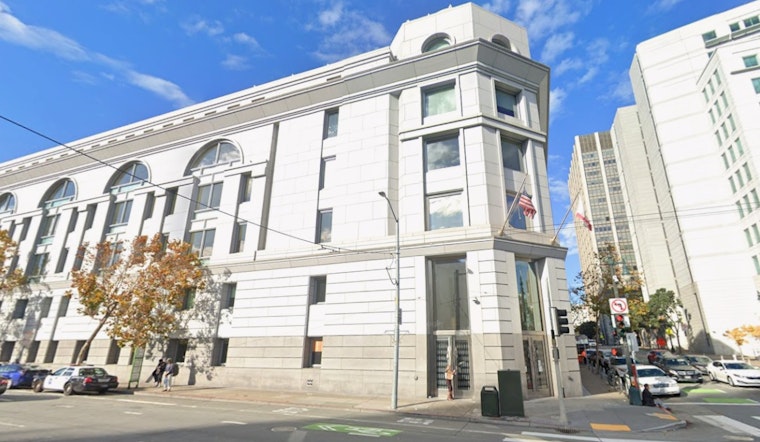
Last Tuesday, the Real Property calendar at San Francisco’s civil courthouse looked less like routine business and more like a crisis lineup. Tenants filed into the gallery, many clutching papers and little else, and waited to find out whether a judge would grant them one more week in their homes or clear the way for a sheriff-enforced lockout. Hearings can be over in minutes, with a ruling and a lockout date set for as soon as the very next day. For tenants who default or do not understand the process, that tiny window can close before a lawyer ever has a chance to show up.
How the courtroom moves
The eviction calendar runs out of the Civic Center Courthouse, the city’s civil courthouse where unlawful detainer cases are heard, according to the The Superior Court. Court staff call the cases quickly and keep the docket moving. Tenants who arrive without representation often have to argue for their housing on the spot, with little time to gather their thoughts, or they risk an immediate judgment against them. Advocates say that kind of compressed schedule gives an edge to landlords and their attorneys and leaves vulnerable renters scrambling to keep up.
Lockouts and filings are rising
Recent data show that physical evictions are not just continuing, they are climbing. The sheriff’s office recorded 804 lockouts in 2023 and 924 in 2025, with 352 lockouts already carried out so far in 2026. That pace would put the city above 960 lockouts by the end of the year, according to The San Francisco Standard. The same reporting, citing tenant groups, found that eviction notices filed in civil court jumped by more than 1,000 from 2024 to 2025. Regional research has also concluded that eviction filings have returned to, or even exceeded, pre-pandemic levels and that tenant legal services are overwhelmed, which helps explain crowded calendars and hurried hearings.
Right to counsel is strained
San Francisco’s Tenant Right to Counsel program is supposed to be the safety net that catches tenants before they fall. The program, coordinated by the Eviction Defense Collaborative, is funded at roughly 17 million dollars, a level that advocates say has not kept up with growing caseloads, according to the Eviction Defense Collaborative. The organization’s materials emphasize stopping default judgments by getting tenants to lawyers as fast as possible. But with limited staff and flat funding, the program has to triage who gets full-scope representation. The result is visible in court on eviction mornings, when judges look out at rows of tenants still on their own.
Default rulings carry a heavy human cost
Many of the people in that courtroom have effectively already lost. They missed the short response period after being served, never filed an answer, and now show up with no lawyer and few options. As The San Francisco Standard reported, tenants described overwhelming stress and fear, with one person warning that “People kill themselves because of what happens in this room.” Advocates and some officials point to that kind of trauma when they call for faster outreach right after papers are served and for more resources to put attorneys on these cases before they end in default.
Where tenants can turn
Anyone served with eviction papers is urged to contact the Tenant Right to Counsel network immediately. The Eviction Defense Collaborative runs a legal intake line and walk-in clinics for urgent matters, according to the Eviction Defense Collaborative. The Civic Center Courthouse also lists self-help and filing information for people facing unlawful detainer actions on its website. Community groups say that getting a tenant’s contact details to legal providers as soon as the papers are posted can be the difference between mounting a defense and losing by default.
Taken together, the numbers and the stories coming out of this courtroom point to a blunt choice for the city: expand outreach and legal capacity or watch more tenants lose their homes without ever speaking to a lawyer. For now, the eviction calendar keeps rolling along while overworked defenders try to catch as many people as they can.





