

























































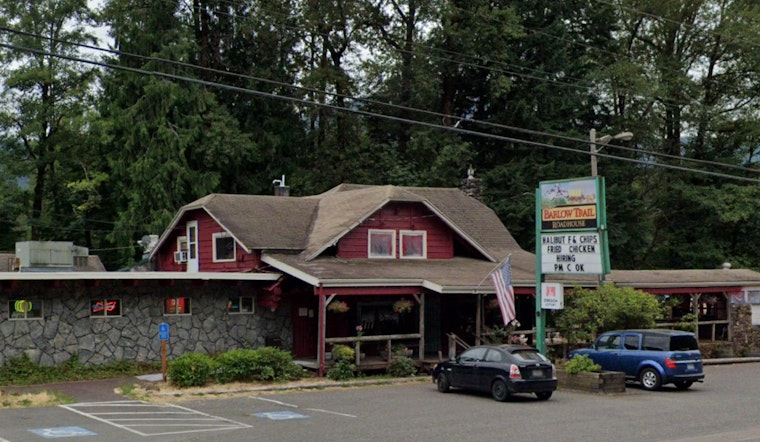
A Clackamas County grand jury on Wednesday declined to bring criminal charges against two law enforcement officers who shot and killed 19‑year‑old Nicholas Toler after a high‑speed chase that ended near the Barlow Trail Roadhouse outside Welches on April 12. The decision clears Oregon State Police Trooper Garrett Bailey and Clackamas County deputy Jordan Landstrom in the fatal encounter. Investigators say Toler indicated he had a weapon during the confrontation, although authorities later determined he was not armed.
According to The Oregonian/OregonLive, the grand jury reviewed body‑worn and dash‑cam footage, as well as testimony, before deciding no criminal charges were warranted. Jurors were presented with the district attorney’s account that Bailey and Landstrom reasonably believed deadly force was necessary under the circumstances.
In an April statement, the Clackamas County District Attorney’s Office outlined a timeline that started with a traffic stop at about 6:55 p.m. on U.S. 26 at East Brightwood Loop Road and ended when Toler’s car was pinned in the Barlow Trail Roadhouse parking area. The DA said Toler fled at speeds greater than 110 mph, briefly stopped on a dead‑end street where he told Trooper Bailey he had a gun, then later exited his vehicle with his right hand behind his back before officers opened fire. County officials say the interaction was captured on trooper and deputy body cameras and dash cams, and that the Lake Oswego and West Linn police departments led the investigation with the Clackamas County Major Crimes Team.
What jurors were shown
The DA's presentation to the grand jury, as detailed by The Oregonian, said Trooper Bailey fired seven rounds and Deputy Landstrom fired two. Jurors were told that Toler was struck between five and seven times, while earlier agency statements had said an autopsy found he was shot four or five times. OPB and other regional broadcasters carried the initial autopsy figure and early details from the DA.
Legal review and what "cleared" means
Under Oregon law, a peace officer may use deadly physical force when the officer reasonably believes it is necessary to defend the officer or another person from an imminent threat, a legal standard the district attorney said was central to the grand jury review. The DA's office told jurors it considered the available evidence, alternatives and de‑escalation options before presenting the case, according to the county release. The grand jury’s decision closes the criminal inquiry, although separate administrative reviews or civil claims can still move forward.
Body cameras and the investigation
Both trooper and deputy body‑worn cameras, along with vehicle dash cams, recorded the encounter and were included in the evidence shown to jurors, officials said. Local television coverage noted investigators later concluded Toler did not have a firearm at the scene and that the case proceeded under Clackamas County’s critical‑incident protocol. KPTV reported early details of the DA’s account and the agencies involved in the probe.
Who was Nicholas Toler
Toler, a Brightwood resident, was 19 at the time of the April incident and was identified in the DA's early public release and subsequent local reporting. Officials said the interaction began after a traffic stop for suspected impairment, and multiple local outlets published basic biographical information as the investigation unfolded. OPB and other regional outlets documented the initial reporting that named him and summarized the sequence of events.
What's next
With the grand jury decision now public, prosecutors have closed the criminal review, and county and state agencies have not signaled any immediate additional criminal action. In cases like this, community members and civil‑rights advocates often press for release of full footage or independent reviews after such rulings, and the possibility of civil litigation or internal personnel measures remains.




