

























































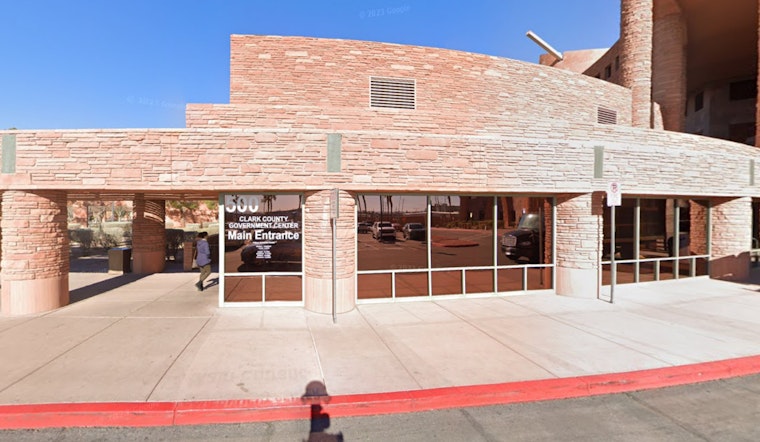
Clark County is finally putting shovels on the horizon for a long‑planned opioid rehabilitation center in the Las Vegas area, after commissioners on May 5, 2026 voted to approve a key construction contract. The move pushes what county officials have billed as a first‑of‑its‑kind public recovery facility in Nevada into the preconstruction and construction phase.
According to the county’s meeting agenda, commissioners picked McCarthy Building Companies as the Construction Manager at Risk and cleared the chief financial officer to sign the contract and the initial Guaranteed Maximum Price authorization, as noted by Clark County. The item, listed as RFP No. 607802‑25 for preconstruction and construction services, was tucked onto the May 5 consent calendar, county‑speak for "no drama, just votes."
Commissioners had already carved out opioid‑settlement money for the project. Local coverage notes the board signed off on roughly $165 million for the center last July, and county officials have said settlement dollars will underwrite much of the price tag. FOX5 reported on the July allocation, while the state Attorney General’s office has separately described the multi‑year opioid settlements that are filling local abatement funds and treatment programs.
Where It Will Go And What It Would Include
Early plans and procurement documents point to about 14.3 acres at the northwest corner of North Las Vegas Boulevard and Beesley Drive as the future home of the complex. The layout calls for multiple buildings clustered around courtyards, with a mix of detox and residential beds.
KTNV reported that county‑prepared concepts from Gensler envision roughly 240 beds total. That includes short‑term detox along with 30‑, 90‑ and six‑month residential units. County managers have floated preliminary cost estimates in the neighborhood of $150 million, depending on how the final scope shakes out.
Why County Leaders Say The Center Is Needed
County officials have pitched the project as a way to cut treatment wait times, create a direct path from medical stabilization to longer‑term care, and take pressure off already strained emergency rooms and jails. They have also pointed to public‑health surveillance that shows a steep rise in synthetic‑opioid deaths and the appearance of additives such as xylazine in the local drug supply.
The Southern Nevada Health District has flagged those trends and urged expanded treatment capacity. Data and advisories from the Southern Nevada Health District were among the factors cited by county leaders as they pushed to move the rehab center from concept to contract.
Procurement Details And What Happens Next
The county’s hunt for a Construction Manager at Risk ran through RFP No. 607802‑25, with staff asking commissioners to approve both the contract award and initial GMP actions so that preconstruction services and detailed estimating could move ahead.
Procurement notices and solicitation records indicate that preconstruction work has already been underway. They outline an estimated construction budget range and a multi‑year timeline that could land substantial completion in the 2028 window, depending on the final scope and permitting schedule, according to GovTribe and county agenda materials.
County leaders say the building will remain county‑owned, while an outside operator will be brought in under contract to run clinical services. Officials plan to return to the commission with specific GMP figures and operator agreements once the preconstruction phase wraps. Community organizations and public‑health advocates are expected to keep a close eye on those next procurement steps as the rehab center edges from paper plans toward concrete and steel.



