

























































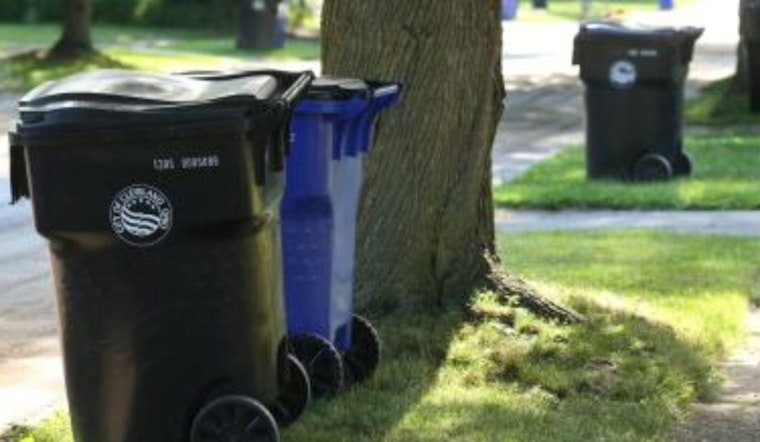
Cleveland’s curbside waste system has morphed into a tangle of blue and green carts, stickers and fine print that plenty of residents say they still do not get. Tens of thousands of blue recycling bins sit at the curb, but a big chunk of what is inside them still ends up in landfills. The result is a citywide guessing game, with neighbors swapping tips while officials lean on stickers, enrollment deadlines, and fees to sort it all out.
How the opt-in system works
After the city shut down curbside recycling in 2020, Mayor Justin Bibb’s administration brought it back in 2022 as a voluntary, opt-in program. Households have to sign up and slap a “Recycle Cleveland” sticker on their blue cart, or it will be treated as trash, according to the City of Cleveland. The city also contracted with Rumpke to handle the material and said the new setup would keep recyclables in Ohio and make the program more sustainable, as reported by Waste Dive. Sticker packets and how-to guides went out to enrolled households, with a clear warning that bare-blue carts would ride to the landfill with the regular trash.
Participation and contamination numbers
Enrollment ramped up fast. Local coverage reports that roughly 70,000 to 72,000 households have opted in out of about 150,000 city homes, leaving a lot of blue carts still unlabeled, according to News 5 Cleveland. Earlier audits and officials had pegged contamination in the old system at around 60 percent. After the opt-in overhaul, later checks say that the number has dropped into the mid-teens, Cleveland Scene reported.
Why stickers - and who pays when bins double as trash
The sticker strategy has become a local punchline. Reporters have boiled it down to “green bin, blue bin, sticker, no sticker” as shorthand for the whole confusing setup, and more than half of Cleveland’s blue carts are still being emptied by standard garbage trucks and hauled straight to the landfill, according to Cleveland.com. That same reporting notes that residents who need a second official trash cart can be hit with extra fees, a structure critics say punishes households that want both more trash capacity and recycling service.
What the city says it will do next
City leaders say they are not backing off on the model. They plan to keep pressing for sign-ups, increase outreach, and eventually phase out the stickers altogether so that a blue cart alone signals recycling participation. Crews are also slated to remove unused, stickerless blue bins to cut down on the mixed messages, News 5 Cleveland reported. The city’s recycling coordinator credits education efforts and the opt-in approach with steering thousands of tons away from the landfill, while neighborhood advocates counter that the real test will be simpler rules and quicker follow-through from City Hall.
For now, Clevelanders stuck juggling two carts, a sticker, and the possibility of extra fees say trash day still feels like a math problem. Officials call the system progress. Residents are still waiting for clarity, and the long-term future of the recycling push will depend on turning a confounding routine into one people can follow every single week.




