

























































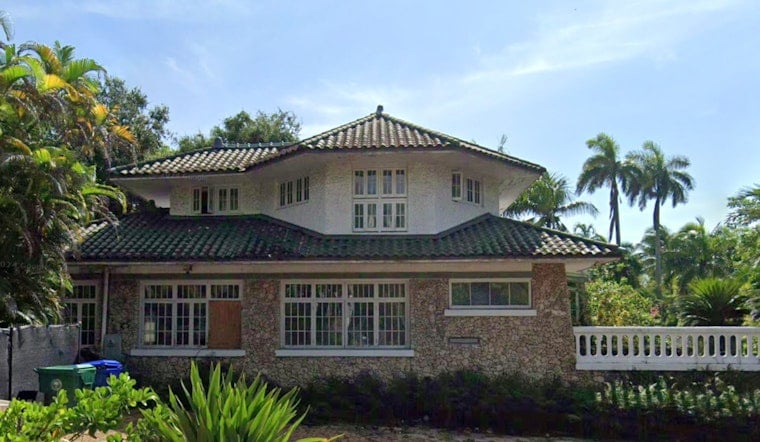
Miami has no shortage of wild true‑crime tales, but few have the staying power of the 1986 killing of developer Stanley Cohen and the sensational prosecution that followed. WPLG’s “Florida Vintage” revisited the case this week, pulling the curtain back once again on a Coconut Grove mansion murder that played out across courtrooms and front pages. The allegation that Cohen’s wife arranged the hit rattled Miami society and still stirs debate over motive and evidence.
As reported by WPLG Local 10, investigators found Cohen’s body inside the couple’s Coconut Grove home and later homed in on a theory that the killing was arranged rather than a straightforward burglary. The station’s Florida Vintage installment lays out how the case turned into a local obsession and a staple of Miami true‑crime lore, highlighting the way 1980s social life and criminal investigations collided in one very public murder.
During the 1989 trial, cooperating witnesses testified that Joyce Cohen had offered money and supplied a map of the house to alleged hit men, testimony that prosecutors used to connect her to the crime. The Los Angeles Times reported that jurors convicted Joyce of first‑degree murder in November 1989 after a trial that drew national attention. That verdict led to a life sentence and set off years of appeals and re‑examination.
Contemporary accounts describe Stanley Cohen as having been found shot in his bed, and the prosecution framed the killing as driven by money and marital conflict. According to the Miami Herald, Joyce was sentenced to 25 years to life, and the Florida Parole Commission later set a target release date of April 2048, a date that would make her nearly 97 if it ever arrives. That lengthy sentence, paired with the case’s lurid details, has kept it on short lists of memorable South Florida crime stories for decades.
The house and the neighborhood
According to Coconut Grove Spotlight, the property at 1665 South Bayshore Drive remains a touchpoint in neighborhood memory and has been under renovation in recent years. The home’s high‑profile perch on Silver Bluff and the public’s ongoing fascination with the case help explain why this particular address keeps popping back up in local coverage and conversations.
Where Joyce Cohen is now
The Florida Department of Corrections lists Homestead Correctional Institution, a women’s facility in Florida City, at 19000 S.W. 377th Street, and facility documentation provides public information about the institution and its operations. For those still following the case, that listing functions as an official reference point for the lengthy sentence imposed after the 1989 conviction. State records and prior reporting underscore that the legal penalties in this case were locked in long ago.
Legal record and aftermath
Cohen appealed, but the Florida Third District Court of Appeal upheld her convictions in Cohen v. State, a 1991 decision that addressed several evidentiary and procedural challenges. The appellate opinion, along with the trial record, remains a primary resource for anyone digging into how the litigation unfolded after the 1986 killing. Decades of commentary and retrospective coverage show that the case still prompts arguments about how investigators and prosecutors handled the evidence.
WPLG’s Florida Vintage feature is the latest retelling of a headline that once dominated Miami newsrooms, but for readers who want the raw material, original reporting and appellate documents are the place to begin. Together, those records trace how a single violent death in Coconut Grove grew into a legal saga and a lasting cultural reference point in Miami’s true‑crime history.





