

























































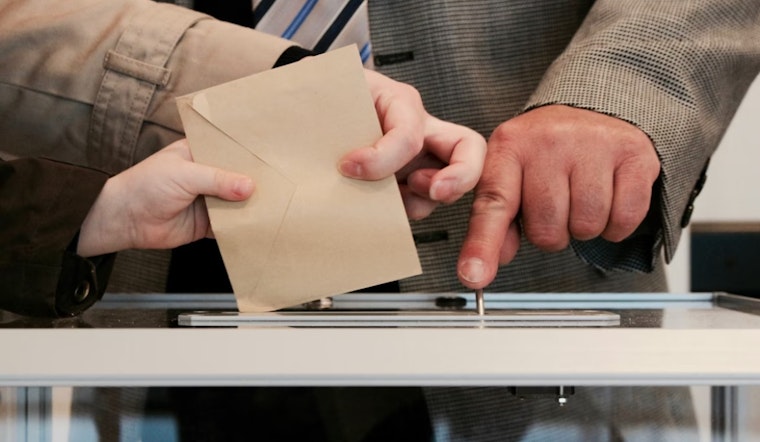
Contra Costa County’s June primary is shaping up to be a political snoozer and a fiscal nail-biter at the same time. Two supervisors are cruising toward another term without a single name on the ballot against them, even as the county stares down a potential billion-dollar shortfall that could hit health clinics, staffing and basic services.
For voters in Richmond, Concord and Walnut Creek, the drama is not over who wins. It is over what the county will still be able to afford.
Unopposed Incumbents and Their Turf
District 1 Supervisor John Gioia and District 4 Supervisor Ken Carlson both filed for reelection and drew no challengers, leaving them effectively assured of another four-year term barring an unlikely write-in surprise.
As the voter guide from the San Francisco Chronicle notes, Gioia represents District 1, which covers Richmond, San Pablo, El Cerrito and nearby unincorporated areas, and has served on the board since 1998. Carlson, first elected in 2022, represents District 4, which includes Concord, Pleasant Hill, Clayton and parts of Walnut Creek.
Big Budget, Thin Cushion
Contra Costa is working with a recommended $7.248 billion budget for the 2026-27 fiscal year, but only a slice of that is truly flexible. According to county budget materials, that plan sets overall spending, while reporting by The CC Pulse shows the general fund has roughly $845 million in discretionary money.
That may sound like a lot on paper, but it is a thin cushion if the federal government follows through on Medicaid changes and other reductions that county officials have been warning about.
Measure B: A Five-Year Tax Patch on the Ballot
Trying to get ahead of those cuts, the Board of Supervisors placed Measure B, a temporary 0.625% countywide retail sales-and-use tax, on the June ballot. County staff estimate it would bring in about $150 million a year for five years if voters say yes.
The placement and wording of the measure are detailed in a resolution from Contra Costa County. In April, a judge briefly sent the ballot question back for edits, according to reporting by KALW, another reminder that even the wording of a tax measure can turn into a fight.
What Gioia and Carlson Say Comes Next
Both incumbents say the next four years will be defined by how the county protects its safety net. They have pointed to preserving health clinics and food assistance as top priorities and say Contra Costa will have to lean hard on its lobbying muscle in Sacramento and Washington.
Carlson has argued that not having to wage a competitive reelection campaign lets him focus on those problems. “It’s a full-time job and there’s a lot to do, so I don’t want to be distracted,” he told reporters. Gioia, for his part, has emphasized that the county cannot fix what is essentially a national policy problem on its own and must keep pressing for state and federal support, as reported by The Mercury News.
What Is on the Line for Residents
Local reporting and county estimates indicate roughly 90,000 Contra Costa residents could lose health coverage as recent federal eligibility and funding changes shake out. Staff have warned that the county could see hundreds of millions of dollars in lost revenue by 2029 and face a possible $1 billion shortfall by 2031.
Those projections, laid out in reporting by the San Francisco Chronicle, explain why county health leaders are openly talking about risks to clinics, staffing and even emergency services if new revenue does not materialize.
Being unopposed takes the heat out of Gioia’s and Carlson’s campaigns, but it raises the temperature on their record. Voters will be judging them less on yard signs and more on how they manage the fallout if Measure B fails or only partly cushions the expected cuts.
Vote-by-mail ballots are scheduled to start going out in early May, and the June primary will decide Measure B and, with it, a big piece of the county’s funding future, according to local reporting by Livermore Vine. The races for supervisor may be over before they start, but the real verdict will come on budget night.





