

























































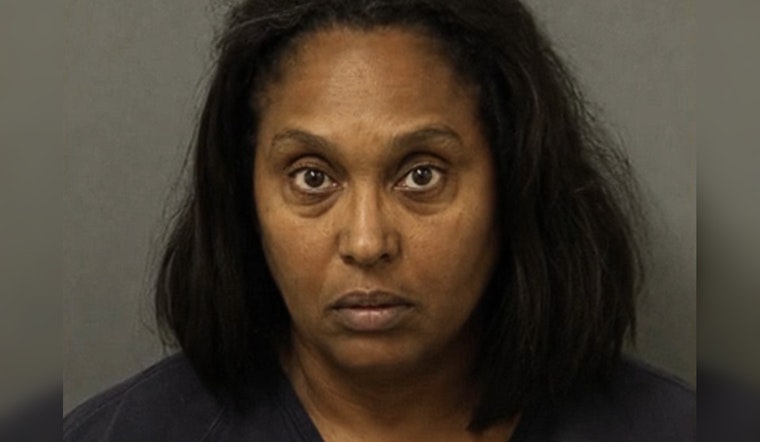
A Wellington woman accused of gaming the high-end rental market for nearly two decades is behind bars and not getting out anytime soon, authorities say. Turia Grantlin, 54, is charged with using fake identities and doctored financial paperwork to land leases on luxury homes, then covering initial rent with payments that later bounced and left owners holding the bag for unpaid rent, legal fees and property damage.
According to the Palm Beach County Sheriff’s Office, detectives have linked the alleged scheme to multiple single-family homes in Wellington going back to 2005 and say they uncovered falsified pay stubs, credit reports and tenant background documents. Grantlin was arrested on April 9 and booked into the Palm Beach County Jail on felony counts that include organized fraud and issuing worthless checks.
Court records reviewed by CBS12’s I-Team show Grantlin has been named in at least 26 eviction cases and, investigators say, cycled through high-end Wellington rentals nearly 30 times over about 20 years, as reported by WPEC. Investigators say those leases covered homes valued at roughly $700,000 to $900,000 on streets such as Meadow Wood Drive, Corsica Drive and La Mirada Circle. In one Meadow Wood Drive case, prosecutors say screenshots were used to claim accounts holding more than $23,000 to qualify for a lease, even though the balances were under $10, and the homeowner’s loss ultimately topped $32,000.
How investigators say the scheme worked
The Sheriff’s Office says Grantlin secured leases with forged bank statements, altered pay stubs and fake tenant-screening reports, then followed up with wire receipts or checks that later bounced for insufficient funds. That sequence, investigators say, let her move into properties while landlords waited for payments that never truly cleared. Detectives also say she filed motions and court responses packed with inaccurate information that dragged out eviction cases and drove up legal costs for owners, according to the Palm Beach County Sheriff’s Office.
Lawyers say the law still leaves gaps
Florida’s 2024 anti-squatter law, codified as Florida Statute §82.036, gives property owners a limited fast-track option to remove unauthorized occupants but carves out an exception for people who show what appears to be a valid lease, per the statute text at the Florida Senate. In an interview quoted by WPEC, West Palm Beach attorney Spencer Kuvin said, “There are owners’ rights, and people with property deserve to be paid for their property,” and noted that when a forged lease is involved, owners can get pushed into the slower landlord-tenant process instead of the faster removal route.
What landlords can do
Real estate groups and industry pros urge owners and agents to double-check every big detail before handing over the keys. Guidance from Florida Realtors advises verifying funds, confirming title and ownership and making sure large deposits actually clear in escrow. Experts also recommend checking county property records, using traceable payment methods and looping in an attorney early if documents, identities or payment stories do not quite line up.
Legal note
Grantlin faces organized fraud and worthless check charges and remains in custody without bond while detectives continue reviewing records. Investigators say additional counts could be filed as more potential cases are identified. Anyone who believes they were targeted in a similar rental deal is urged to save every document, including copies of checks or receipts, and contact local law enforcement to make a report.
The case highlights how forged paperwork and slow-moving court procedures can turn what looks like a standard lease into a costly, drawn-out fight for homeowners. As investigators dig through years of files, prosecutors may add charges while affected owners try to recoup losses through both criminal and civil avenues.





