

























































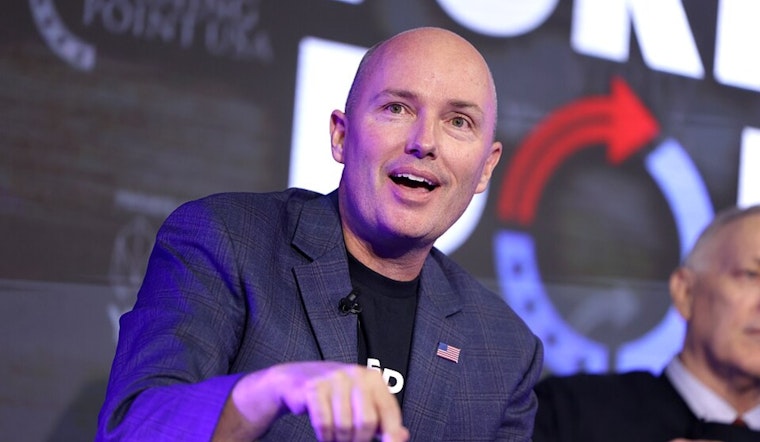
Gov. Spencer Cox is rolling out a two-part plan to juice Utah's economy and turn the state's geothermal promise into actual power plants, not just glossy pilot projects. This week, he called on state officials and private partners to act as "sherpas" who stick with major projects from idea to operation, helping them survive permitting, financing, and site work. Flanked by regional governors and industry leaders, Cox helped launch a new Mountain West Geothermal Consortium and unveiled a statewide strategic plan that he says is aimed squarely at faster investment and more jobs.
Mountain West consortium aims to unlock huge geothermal potential
The four-state consortium of Arizona, Colorado, New Mexico, and Utah is set up to coordinate permitting, data sharing, and financing so geothermal projects do not die in red tape or at the bank. Organizers say the collaboration could unlock roughly 200 gigawatts of geothermal resources and generate hundreds of billions of dollars in economic activity, according to Canary Media. The group, led by the Center for Public Enterprise and Constructive, will work with utilities, developers, and investors to standardize tools like procurement and shared-risk financing, according to the Mountain West Geothermal Consortium.
'Sherpas' and the statewide strategic plan
Cox has been leaning on the "sherpas" metaphor to describe veteran problem solvers who can walk projects from proposal to production instead of leaving developers to navigate a maze of agencies on their own. State officials on Thursday rolled out a new statewide strategic plan meant to formalize that approach, according to The Salt Lake Tribune. The plan, discussed at events this week, is designed to pull energy policy, workforce training, and permitting reforms into a single playbook for economic development.
Developers, financing and Utah FORGE's role
Private developers like Fervo Energy lined up behind the launch and argued that states can help attract more capital and soften the risk of early drilling. Fervo's director of government affairs, Ben Serrurier, told organizers the company wants to work on new financing tools that would speed up drilling and bring costs down, according to Canary Media. Utah is already home to the federal FORGE research site in Beaver County, which state officials and the U.S. Department of Energy say has pushed forward techniques for enhanced geothermal systems, per Utah FORGE.
Hurdles: permitting, financing and community concerns
Industry analysts and consortium leaders point to financing and permitting as the biggest obstacles. Developers often must drill pricey exploration wells before they can prove a site and convince investors to back a full build-out, which creates a risky cycle that slows projects, according to Mountain West Geothermal Consortium. Participating states plan to counter that pattern with more streamlined permitting and new financing tools, while the U.S. Department of Energy has been funding research and pilot programs to cut drilling costs and improve reservoir techniques, per the Energy Department.
What this means for Utahers
For Utah residents, all of this could translate into construction work, long-term operations jobs, and more business for local suppliers, along with fresh debates about land use and impacts on nearby communities. Cox tied the geothermal push to his wider energy agenda, including his "Operation Giggawatt" goal to double Utah's energy production by 2034, and said the consortium gives Mountain West states a stronger hand as they chase federal backing for major projects, according to KUER.





