

























































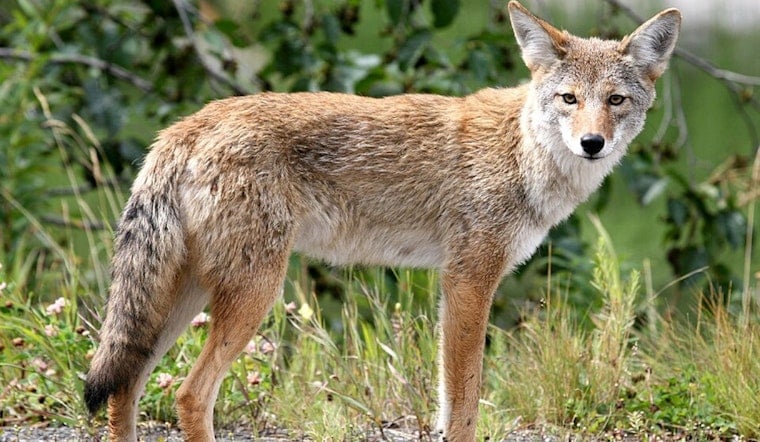
A quiet Friday night in Palmetto Bay got a little wilder when a coyote turned up near conservation land around Southwest 88th Court and Southwest 171st Street, putting nearby residents on alert. Neighbors say they are now watching yards more closely and keeping a tighter leash on pets after the animal was photographed in the area.
The photo, shared online, appears to show the coyote near the intersection, according to WSVN. That reporting notes the parcel sits on designated conservation land, which could complicate whether the animal can legally be removed or relocated.
What wildlife officials recommend
State wildlife managers say coyotes are typically wary of people but will take advantage of food and cover around homes if they can. They advise “hazing” coyotes by making loud noises, waving arms and generally acting aggressive so the animals learn to keep their distance. As outlined by the Florida Fish and Wildlife Conservation Commission, residents should remove attractants, supervise pets and report concerning behavior to FWC.
Why coyotes are turning up in neighborhoods
Researchers note that coyotes do well where yards, parks and conservation tracts link together, since those green corridors let them move around easily and tap into a wide mix of foods. A recent study in the Journal of Urban Ecology looked at coyotes in Miami-Dade and found seasonal shifts in what they eat along with frequent use of urban green spaces. Nearby communities have reported similar sightings this spring, and local coverage in the Coral Gables Gazette shows neighboring cities coordinating with FWC as reports continue.
Palmetto Bay has dealt with coyote sightings before. An archived mayoral notice on the village’s website urges residents to keep pets indoors, secure garbage and report sightings to FWC. The village has previously worked with state officials on community education about coexisting with coyotes, and Palmetto Bay maintains those advisories.
For non-emergency animal issues, residents can contact Miami-Dade County Animal Services or call 311 to report concerns about pets and nuisance animals, while state-level wildlife issues typically go to FWC. Miami-Dade’s reporting page spells out which situations the county will handle and when to reach out to other agencies, and Miami-Dade County Animal Services provides those details.
If you spot a coyote that seems sick, injured or unusually comfortable around people, officials say to keep your distance and report the sighting to FWC. The agency’s materials include hazing tips and a Wildlife Alert reporting system. They also stress two basics for neighborhood safety: do not feed wildlife and keep small pets supervised, especially at dawn and dusk when coyotes are most active. For more guidance and reporting options, see the Florida Fish and Wildlife Conservation Commission.




