

























































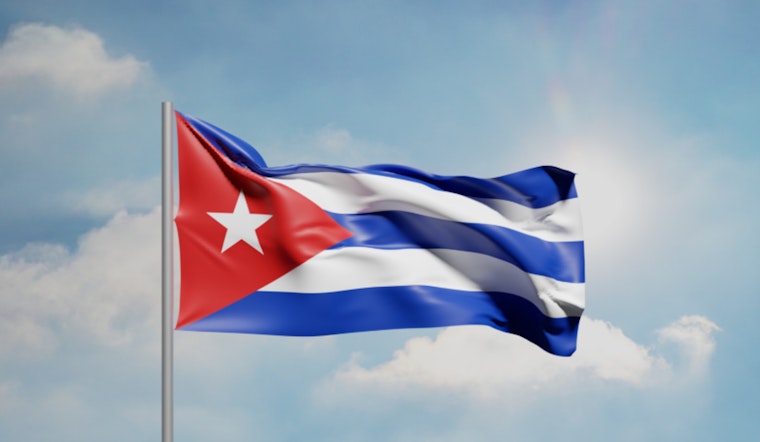
Cuba’s government has rolled out a sweeping overhaul of its migration, citizenship and foreigners laws this week, a move that could upend the paperwork Cuban-Americans rely on for visits back home. The measures, formalized in the Official Gazette last Tuesday, spell out that dual nationals are treated as Cuban while on the island and create a new “investor” migration status that takes effect immediately, while most other provisions kick in only after a 180-day transition. For families shuttling between the United States and Cuba, the fine print is already raising questions about which passport will be demanded at the gate and again at the arrivals hall.
What Was Published
As outlined by Granma, the package bundles together Law 171 (Migration), Law 172 (Citizenship) and Law 173 (Extranjería), along with their implementing regulations, in Extraordinary Official Gazette No. 60. The publications confirm a general 180-day period before most rules enter into force, while a related Decree-Law and accompanying measures made a targeted “investors and business” migration category available right away. The Official Gazette entry is also archived in the government’s records so that the full text can be consulted later.
How It Could Affect Dual Nationals
The new citizenship law keeps Cuban nationality in place for people who also hold foreign passports and explicitly maintains the obligation to use Cuban documents for legal acts on national territory. Advocates say that wording could be interpreted to require a Cuban passport for certain transactions and possibly at ports of entry. According to reporting by CiberCuba, the migration law also expands the grounds authorities can cite to deny entry or limit departure, ranging from criminal cases and unpaid obligations to broadly defined national-security or “public interest” reasons. In practice, that could give officials wider discretion at checkpoints.
Why U.S. Travelers Should Care
The bottom line for many Cuban-Americans is an uneasy overlap of rules. Travelers who are used to relying on a U.S. passport for Cuba trips could find that Cuban authorities now press for Cuban documentation when they land, a scenario explored in coverage by CBS Miami. At the same time, departures from the United States are still governed by Treasury Department sanctions. Americans must travel under one of the Office of Foreign Assets Control’s 12 authorized categories or obtain a specific license, so passengers are staring at potential dual compliance with U.S. and Cuban requirements, according to OFAC guidance.
Local Reaction and Practical Steps
Community groups and immigration attorneys in Florida say the legal language has already stirred anxiety about how officials will enforce it at airports and ferry terminals. The informal advice from advocates runs the gamut, from renewing Cuban passports to traveling with both sets of documents and keeping printed itineraries handy. The government has also detailed procedures linked to the new investor migration category, including application steps and fees, and CiberCuba has reported on the fee tied to that process. Consular offices remain the main point of contact for filing formal requests. For now, travelers planning trips are being urged to confirm boarding requirements with their airline, review OFAC’s Cuba travel guidance and scan consular notices before they commit to tickets.
What To Watch Next
Because most of the rules move on a 180-day clock, many of the changes are scheduled to take effect around early November, and officials have signaled that additional implementing regulations will be published before that date. At this stage, the clearest practical shift is the investor category, which is already operational. Anyone with ties to Cuba is being advised to monitor Official Gazette releases and consular updates in the coming weeks to avoid unpleasant surprises at departure or on arrival.



