

























































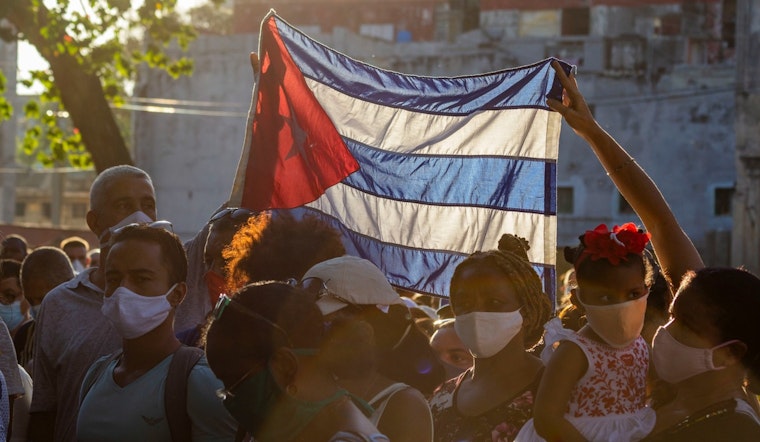
Leaders from the Assembly of the Cuban Resistance, the Miami-based coalition of exile groups, gathered in Miami-Dade on Thursday for a strategy session just as pressure on Havana spiked this week. Organizers described the meeting as a focused planning day for upcoming rallies, humanitarian efforts and a roadmap for a possible post-regime transition. The timing was no accident, landing amid rapid policy moves from Washington and a high-profile Justice Department announcement that drew crowds to downtown Miami.
The gathering pulled in activists, religious leaders and members of exile organizations who said they intend to synchronize caravans, vigils and lobbying campaigns aimed at keeping attention on political prisoners and economic pressure on the island, as reported by WPLG Local 10. Local 10’s coverage noted that speakers zeroed in on unity and nuts-and-bolts logistics, such as who will lead neighborhood outreach, how to move people to upcoming events and which international contacts should be briefed first.
What Organizers Want
Organizers reiterated a three-phase “Liberation Agreement” first unveiled in Miami on March 2 that, according to exile leaders, details immediate steps for freeing political prisoners, stabilizing a transition and holding internationally supervised elections. CiberCuba reported on the March rollout, which backers say is meant to link grassroots protests on and off the island to a concrete plan for a post-regime government.
Why the Timing Matters
The Thursday meeting took place one day after the Justice Department unsealed an indictment charging former Cuban president Raúl Castro with murder and related counts, an escalation that organizers said injected fresh urgency into their plans. Reuters covered the indictment and the announcement at Miami’s Freedom Tower, where dozens of exiles and elected officials gathered as the charges were made public.
Local Reaction and Recent Rallies
Miami’s exile community has held several large events in recent weeks, including a “United for a Free Cuba” rally at Bayfront Park in April, that organizers say are building toward a sustained campaign of civil pressure and prayer. The Miami Herald reported on the April rally and on polling that shows strong support in South Florida for tougher U.S. measures, and even military options among some Cuban-American voters.
Legal Implications
Federal court records show the unsealed indictment includes counts of conspiracy to kill U.S. nationals, destruction of aircraft and four counts of murder, and that it was presented to reporters by Acting Attorney General Todd Blanche at the Freedom Tower, according to reporting by NBC News. The charges are expected to heighten diplomatic tensions and to make the Assembly’s organizing efforts both more visible and more politically fraught.
Assembly leaders told attendees they plan to keep filling the community calendar with public actions and outreach to lawmakers, while stressing the need to keep humanitarian channels open to families on the island. They cast this week’s meeting as the latest step in a months-long campaign that has moved from prayer services into a coordinated political strategy, and said Miami will remain a central hub for that push.





