

























































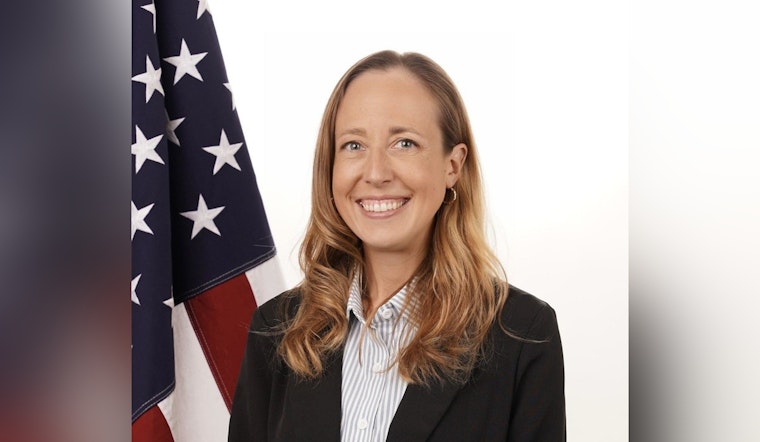
Tracy Beth Høeg, the acting director of the Food and Drug Administration’s Center for Drug Evaluation and Research, is stepping down, adding another high-profile exit at an agency already shaken by this week’s commissioner departure. The move deepens leadership churn at the FDA and leaves key drug-review work in a holding pattern at a time when drugmakers and public-health agencies are waiting on major decisions.
An official at the Department of Health and Human Services (HHS) confirmed Høeg’s exit and said that Michael Davis, CDER’s deputy center director, will serve as acting director while the administration hunts for a permanent replacement. As reported by NBC News, Høeg held the acting CDER job for roughly five months before deciding to leave. HHS spokesperson Emily Hilliard told NBC that the department is “actively searching for strong candidates for key leadership positions across HHS.”
Høeg’s role in the vaccine policy fight
Inside and outside the FDA, Høeg became a flashpoint for her critiques of COVID-19 vaccine policy for children and for co-authoring analyses that helped drive the administration’s recent rethink of vaccine recommendations. Industry reporting links her to contentious internal assessments that underpinned the January overhaul of the childhood immunization approach. Her close alignment with former CDER leaders, combined with the vaccine debates, turned her into a polarizing presence within the agency. As detailed by Fierce Pharma, Høeg’s appointment as acting CDER chief followed a rapid series of leadership changes at the center.
Court clash over the new childhood schedule
The January memo that narrowed which vaccines are universally recommended has already dragged the administration into court and led to a federal order freezing parts of the overhaul. Analysts at KFF documented how the updated federal guidance shifted the U.S. schedule toward far fewer routine vaccine recommendations. On March 16, a Boston federal judge issued a preliminary injunction that temporarily halted the new schedule and other related actions.
The court’s memorandum argued that the government likely ran afoul of procedural rules when it reconstituted the Advisory Committee on Immunization Practices and revised the schedule without the usual expert review. The order, posted by AACP, remains in effect while the litigation grinds on.
Officials scramble to steady the ship
HHS and the White House say they are vetting new candidates and trying to restore some semblance of stability, while quietly conceding that constant turnover has real-world consequences. Coverage in The Washington Post notes that senior aides have been working to line up less controversial, more conventional choices for top HHS and FDA jobs. For now, agency operations will be run by a field of acting officials while the administration weighs permanent nominees.
Who Is in Charge Now, and Why It Matters
Commissioner Marty Makary resigned earlier this week, and Kyle Diamantas, the FDA deputy commissioner for food, has been tapped as acting commissioner, leaving the agency dominated by temporary appointees. The Associated Press reported that Diamantas will lead the FDA while the White House and HHS sort through potential permanent nominees, a process that could drag on for months. That uncertainty lands just as drugmakers await decisions on product applications and public-health officials track the fallout from shifting vaccine and drug policies.
Industry and public-health worries
Drugmakers and hospital groups say a predictable FDA is critical for clinical trials, manufacturing timelines and patient access, and some industry voices warn that revolving-door leadership could slow reviews and push costs higher. Reporting in the Los Angeles Times and other outlets describes how rapid personnel changes have eroded morale inside the agency. Former regulators and public-health experts say a clear, science-driven chain of command will be essential if the FDA is going to regain its footing.
For now, Høeg’s exit is the latest signal that the agency’s upper ranks could look very different by summer, and that crucial drug and vaccine calls will be made by a rotating cast of acting leaders. All eyes now turn to HHS for word on permanent nominees and to the courts for the next move in the vaccine-schedule showdown.





