

























































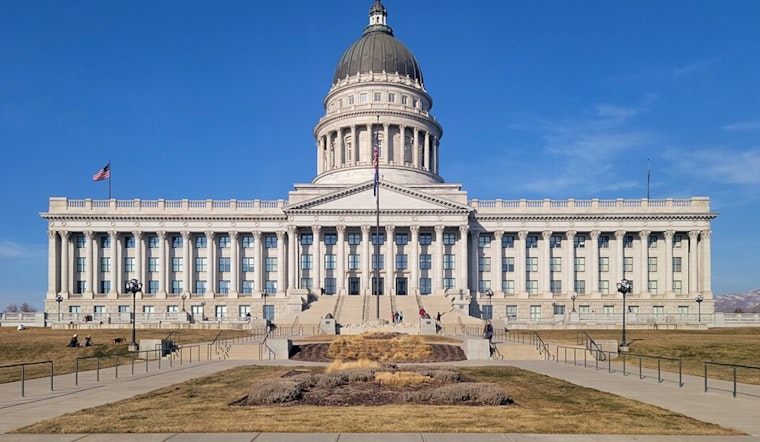
Utah’s next big statement piece on the Capitol lawn is coming from a sculptor who already has a prime address in Washington, D.C.
The Capitol Preservation Board on Wednesday picked Sabin Howard’s Grand Liberty Arch as the next major commemorative element for the Utah State Capitol grounds. The winning design beat out competing concepts that would have honored the transcontinental railroad and commemorated Utah women, clearing the way for a single large new monument on the campus.
Board members heard presentations from three finalist projects before voting, capping a formal public review process that the Capitol Preservation Board carries out under its existing grounds plan, according to The Salt Lake Tribune.
Howard is best known nationally for the vast bronze relief that anchors the National World War I Memorial in Pershing Park in Washington, D.C., a project that drew extensive national coverage as it came together. Reporting on that memorial has emphasized the large figurative relief and placed Howard’s work within a broader revival of classical figurative sculpture in public memorials, and the Grand Liberty Arch is being framed in similar terms by the artist.
What the arch would be
The project website describes the Grand Liberty Arch as a monumental bronze installation roughly 60 feet long and 38 feet tall, with dozens of human figures intended to “tell the story of America’s journey through freedom,” according to Grand Liberty Arch. National coverage of Howard’s Washington work helps set expectations for scope and detail, with the World War I memorial relief described in reporting by The Washington Post.
Placement, rules and timing
The Capitol’s grounds master plan and past board minutes spell out limits on how and when new commemorative elements can be added, as well as the process for picking sites and schedules. Capitol Preservation Board meeting records show that placement guidelines restrict how frequently new monuments appear and map out specific quadrants on the grounds for future works. Earlier minutes also refer to a timeline for installing a large commemorative element and the use of a request for proposals process for both site and design decisions.
Under the current plan, the board has identified the southeast quadrant of the grounds as the most likely location, just south of the bus stop near the Mormon Battalion Monument, according to official meeting materials.
Next steps and fundraising
Howard and his team have said the Grand Liberty Arch will depend on private funding and institutional partners rather than state construction dollars. The artist’s public materials note ongoing outreach to potential sponsors and donors.
The Capitol Preservation Board will manage any procurement or permitting steps required under the grounds plan and is expected to post formal solicitations or requests for proposals as the project moves from concept into design and, eventually, fabrication.
Local reaction and questions ahead
Board records show that members sometimes ask for additional time to vet proposals and gauge public sentiment before casting final votes, which helps explain the deliberate pace of this decision process. Supporters of public art argue that a large, figurative monument could be a draw for visitors and students on the Capitol campus. At the same time, some community members and groups have raised questions about the arch’s theme, its overall cost, and which histories end up getting highlighted. Those competing viewpoints surfaced during the public presentations reported by The Salt Lake Tribune.
Neither the Capitol Preservation Board nor Howard’s team has yet published a detailed construction timeline or budget. For now, the board’s calendar and meeting materials will be the main place to watch for upcoming requests for proposals, model displays, and community hearings as the Grand Liberty Arch moves forward.




