

























































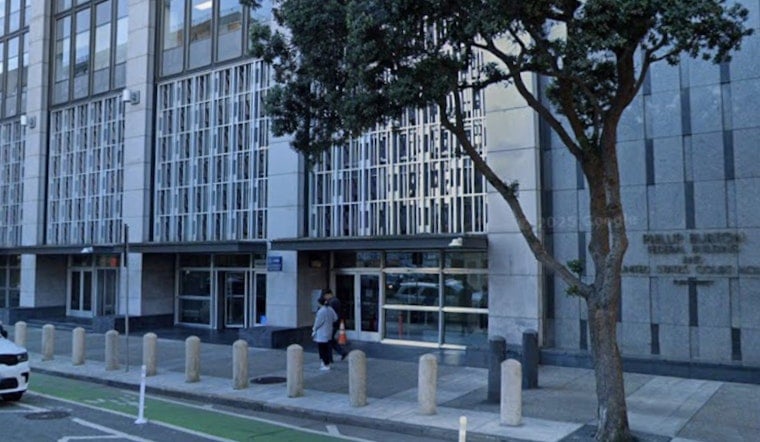
Edwin Emmett Lickiss Jr., a 78-year-old former financial advisor from Danville, has admitted in federal court that he spent decades running a Ponzi scheme that prosecutors say siphoned at least $9.5 million from more than 93 investors. Many of those caught up in the alleged scam were retirees and longtime East Bay clients now left scrambling for answers.
Prosecutors outline the deception
According to a press release from the U.S. Attorney’s Office for the Northern District of California, Lickiss admitted that from 1998 through September 2024 he induced investments by touting exclusive, tax-free bonds with returns topping 20 percent. Prosecutors say he issued fraudulent promissory notes on Foundation Financial Group letterhead, used money from new investors to pay earlier investors and diverted funds to personal expenses, including home renovations, travel and vehicle and mortgage payments.
SEC says the scope may be larger
In a parallel civil action, the Securities and Exchange Commission alleges that Lickiss sold roughly $12.7 million in promissory notes to about 80 investors and pitched interest rates ranging from 9 percent to 32 percent. The agency is seeking conduct-based injunctions, disgorgement and civil penalties in an effort to claw back money for victims.
Regulatory red flags
FINRA’s BrokerCheck records show a 2014 suspension and earlier customer disputes dating to the 1990s, records that authorities say Lickiss did not disclose to later investors. Those public records, visible in his FINRA BrokerCheck report, are the kind of warnings consumer advocates say investors should review before trusting an individual advisor or small firm with their savings.
Sentencing set for late August
Lickiss remains free on bond and is scheduled for sentencing on August 28, before U.S. District Judge Jon S. Tigar, as reported by the San Francisco Chronicle. According to the Chronicle, his defense attorney has recommended a six-year prison term, while prosecutors have asked for a sentence of between six and ten years.
Civil and criminal tracks run in parallel
The SEC’s civil case seeks to disgorge ill-gotten gains and bar Lickiss from the securities business, according to the agency’s litigation release, while the Department of Justice has said the criminal investigation was handled by the FBI and IRS Criminal Investigation. Together, the civil and criminal tracks can lead to asset freezes, receiverships or disgorgement orders that may return some money to investors, although full restitution is often difficult in long-running schemes.
Hoodline covered Lickiss’s earlier criminal case in a story on his federal indictment last year, and upcoming court filings due before August are expected to shed more light on whether victims can recover meaningful sums.





