

























































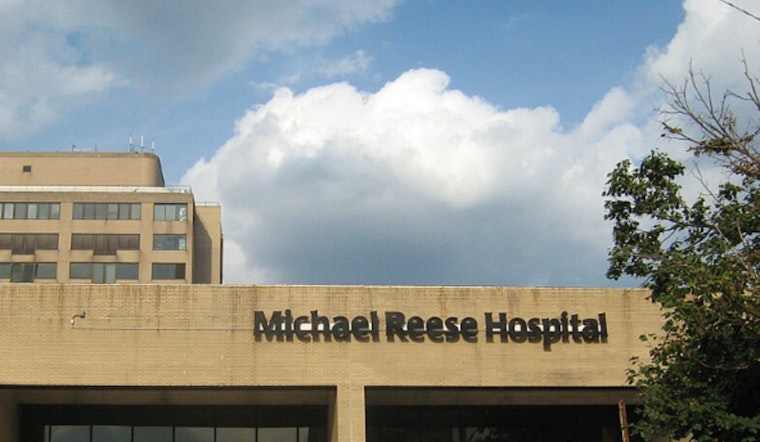
Nearly 60 years after a newborn vanished from Michael Reese Hospital, the story of Chicago's most infamous baby abduction is getting a jarring rewrite. Fresh DNA work and a new wave of reporting are stirring up old files, pointing to previously unreported connections between people tied to the case and organized-crime circles, and forcing families and investigators to revisit what they thought they knew.
According to new coverage from KLAS, recent digging and a new season of The Fronczak Files podcast spotlight several figures - including a woman named Lorraine Fountain and a truck driver, Billy Ray Baty - who left Chicago in 1964 and later surfaced in Michigan. Accounts reviewed by KLAS say genealogical matches and a close read of original police records bring a woman identified in the files as Marcelle, described there as Baty's former girlfriend with access to the hospital, under renewed scrutiny. Podcasters and researchers say those puzzle pieces cast serious doubt on the long-accepted narrative that the toddler found in New Jersey was conclusively the Fronczaks' missing son.
The official story began to wobble in 2012 when a home DNA test revealed that Paul Fronczak was not biologically related to Chester and Dora Fronczak, the couple who had raised him. That revelation, which he later wrote about, cracked open the decades-old mystery and spurred new genealogical sleuthing. As detailed by the Chicago Sun-Times, volunteers and investigators began retracing leads that had been dormant for years.
By 2019, genealogists had linked the kidnapped infant to a man living in rural Michigan, later publicly identified as Kevin Ray Baty. He had a brief, emotional phone call with his birth mother before his death from cancer in April 2020. That identification, and the limited contact that followed, drew national coverage in outlets including Newsweek.
New Leads Hint At Possible Mob Connections
The latest reporting from KLAS and the podcast team argues that long-overlooked names and old employment records suggest ties between people orbiting the Fronczak story and Chicago-area organized-crime networks. The accounts say Fountain, described by researchers as a high-priced escort who catered to certain mob circles, left town with Baty in 1964, just as the case was unfolding. They also point to Baty's work as a truck driver, which allegedly put him in proximity to known syndicate figures. These claims rest on archival material, interviews, and genealogical links, and remain allegations rather than findings tested in court.
Where Investigators Stand Now
Federal authorities have reopened and periodically reexamined the case in the years since DNA evidence upended the original narrative, as reported by the BBC. The bureau has not announced any new indictments tied to the recent reporting, and officials continue to decline to comment on specifics of an open investigation.
Legal Stakes And A Tough Path To Charges
If the web of documents, interviews, and genealogical matches holds up under independent review, prosecutors could consider criminal options. Any such move would be uphill: a late-stage case like this is hampered by fading memories, missing witnesses, and the fact that several key players are already deceased. The Chicago Sun-Times has noted that those realities complicate any path to charges. For now, federal and local investigators appear to be concentrating on paper trails, timelines, and genetic evidence rather than immediate arrests.
Still Missing: A Twin Sister And Final Proof
Another haunting loose end is Jill Rosenthal, the twin who vanished from the public record in 1965 and has never been found. The Fronczak Files lays out her missing-person case, including age-progressed images and a public appeal for tips that might connect archival records to living witnesses. Until an independent agency can back up the documentary leads with solid forensic evidence, the Fronczak saga will remain a mix of plausible reconstruction and stubborn unanswered questions.
For Chicagoans, the story that began in a Michael Reese maternity ward more than six decades ago is a stark reminder of how modern genealogy and tenacious reporting can pry open long-cold files and expose gaps in how major cases were handled. Federal and local agencies say they will review verifiable leads, and anyone with credible information that meshes with official evidence is urged to contact investigators through standard law-enforcement channels.





