

























































Wenatchee police say a 40-year-old homicide mystery has finally been laid to rest after modern genetic genealogy linked old DNA evidence to a deceased Canadian man. The victim, 35-year-old Carol A. Traicoff, was found behind the Stanley Center on May 14, 1986, and this long-awaited identification is giving her family answers nearly four decades later. Authorities emphasize that the man identified is already dead, so no one living will face charges.
According to KIRO 7, the Wenatchee Police Department announced the closure on Thursday, which marked 40 years since Traicoff’s body was discovered. A retired detective had pulled the aging file back off the shelf and, working with the Washington State Patrol Crime Lab and other agencies, pushed for new forensic testing. Investigators say they found no evidence pointing to any other suspect, so the case is officially closed.
How genetic genealogy cracked the case
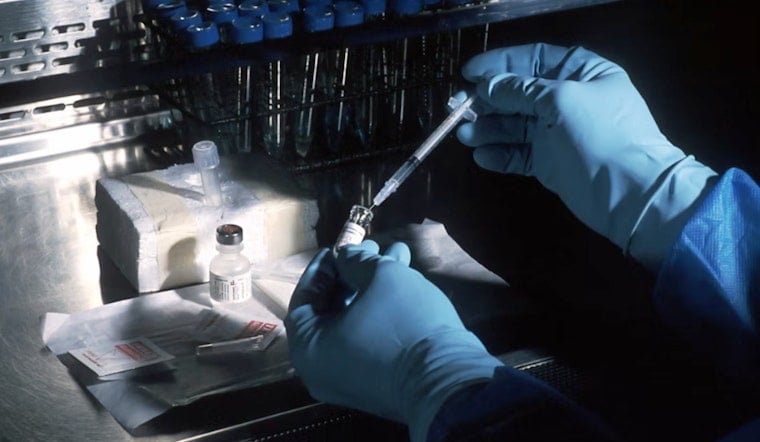
Investigators sent preserved biological evidence out for state of the art testing and then turned to forensic genetic genealogy, a technique that can squeeze usable clues out of degraded DNA by looking for potential relatives. The private lab Othram reports that evidence arrived at its facility in July 2024. Its genome sequencing work produced a set of family-line leads that pointed investigators toward a possible suspect.
Detectives then tracked down a surviving sister of the man in question, who agreed to give a DNA sample. According to Othram, that comparison confirmed the identification. Working with the Washington State Patrol Crime Lab, Wenatchee investigators identified the suspect as Henry B. Leland of Kamloops, British Columbia, and learned that he died in December 2007. KIRO 7 reports that the lab delivered its findings in February 2025, and detectives then corroborated the genetic match through family DNA. With the alleged perpetrator long deceased, authorities moved to close the case rather than pursue prosecution that was no longer possible.
Family thanked and agencies credited
Local coverage notes that Wenatchee Police publicly thanked earlier generations of investigators and Traicoff’s family for never letting the case fade away, pointing out that Traicoff would have turned 75 on the anniversary of her death. Fox28 Spokane reported that officials also credited the Washington State Patrol Crime Lab, the Royal Canadian Mounted Police and the Washington Attorney General’s Office for their roles in confirming the suspect’s identity. In the end, they framed the outcome as long overdue closure to a stubborn mystery rather than the start of a courtroom battle that can never happen.
Legal status
Because the person identified as the suspect is dead, prosecutors will not bring any new charges, and the department has formally closed the investigation, NBC Right Now reported. Officials say the public announcement is meant to give Traicoff’s family clear answers and to mark the end of a case that has shadowed the department for decades.
Why the breakthrough matters
Investigators and forensic experts say the resolution of Traicoff’s killing shows how newer DNA sequencing and genealogical techniques are quietly breathing life into long dormant files and giving families long delayed answers. Othram noted that state-level funding from the governor, the attorney general and the Washington Legislature helped pay for the specialized testing that made the identification possible. Wenatchee authorities also highlighted a more old-school lesson that paid off in a big way: carefully preserving evidence from cold cases and staying open to new technology, even when a case feels hopeless, can still produce results decades down the line.





