

























































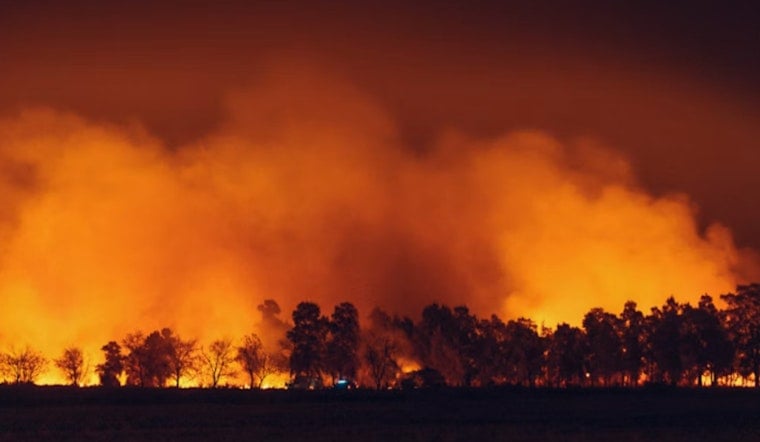
Wildfire smoke is expected to slide into the Puget Sound region this afternoon, bringing a milky haze and a risk of dips in outdoor air quality across much of western Washington. Most monitors are forecast to stay in the “moderate” range, but small pockets, especially near the Cascade foothills and along the northern I-5 corridor, could reach levels that are unhealthy for sensitive groups. Officials are urging people with asthma or heart disease, along with young children and older adults, to take it easy outside and keep an eye on air quality readings.
What officials are saying
According to the Seattle Office of Emergency Management, a smoke plume will move into Puget Sound this afternoon, with overall air quality expected to be mostly moderate but with the potential to worsen in some neighborhoods. The alert points residents to daily monitoring tools from the Puget Sound Clean Air Agency for live readings, maps, and practical tips as conditions change.
Where the smoke is coming from
Meteorologists say most of the incoming haze is traveling south from wildfires burning in British Columbia, getting funneled toward western Washington by upper-level winds. As reported by KIRO 7, the northern half of the region, including communities north of Everett up toward Bellingham, has the best chance of seeing a noticeable air-quality slide later today and into tomorrow.
Who should take precautions
The Puget Sound Clean Air Agency and the Washington Department of Health advise that infants, older adults, pregnant people, and anyone with heart or lung problems limit prolonged or heavy outdoor activity when the Air Quality Index climbs. Agencies also recommend using HEPA filtration indoors when possible and, if you have to be outside during higher smoke levels, wearing a properly fitted N95 or similar respirator for better protection.
How to check current conditions
To track what the smoke is doing in real time, residents can use the AirNow Fire & Smoke Map along with county public-health updates, which provide neighborhood-level PM2.5 readings and short-term forecasts. If smoke sticks around, officials suggest spending more time in a single room with good filtration and following local guidance on cooling centers or other clean-air options.
These quick-hit smoke intrusions are part of a broader trend: the Seattle-Tacoma metro area was ranked among the nation’s worst for short-term PM2.5 in May, a reminder of why agencies keep hammering on preparedness and monitoring, with that ranking pushing the region into a sooty top 10.





