

























































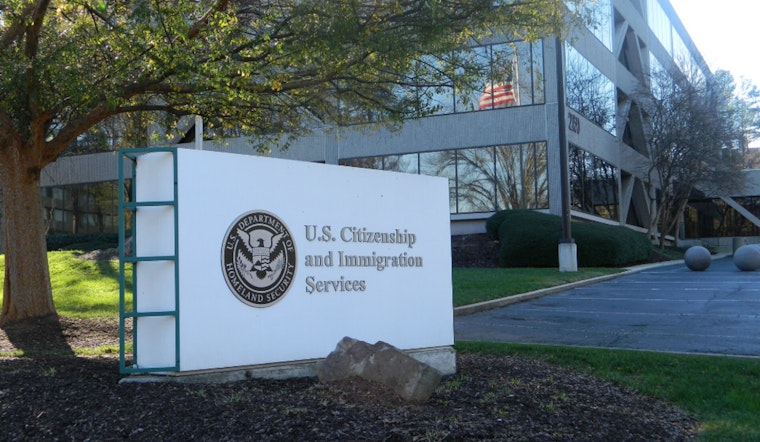
The federal government has quietly carved doctors out of a sweeping immigration pause that stalled decisions on green cards, work permits and visa extensions, a narrow bit of relief that hospitals and clinics say barely dents the broader backlog. Thousands of other applicants, including researchers, entrepreneurs and scientists from countries designated in the travel ban, remain stuck in bureaucratic limbo.
What USCIS Quietly Tweaked
Late last week, U.S. Citizenship and Immigration Services slipped an update into its online alert titled "Update on USCIS’ Strengthened Screening and Vetting," adding "applications associated with medical physicians" to a short list of case types eligible for an internal hold-lift review, according to USCIS and immigration practitioners.
Legal analysts note that the change appeared quietly on the agency’s website and does not create a public request process for applicants. In practice, that means employers and physicians still have to wait for case-specific notices and keep a close eye on their files rather than filing some new magic form.
Homeland Security Tries To Clarify
The Department of Homeland Security told reporters that "applications associated with medical physicians will continue processing," a development detailed by The Associated Press. Attorneys described that statement as an operational clarification that follows the website update, not a blanket clearing of every stalled physician case in one sweep.
Hospitals Still Holding Their Breath
Even with the exemption on paper, doctors and hospitals say they have not seen broad operational movement. Residency start dates land on July 1, and some qualified physicians remain sidelined, leaving clinics shorthanded. Bloomberg reported that delays are already affecting training programs.
Local coverage has spotlighted cases like that of Dr. Faysal Alghoula, a pulmonologist who serves roughly 1,000 patients in southwestern Indiana and says his authorization could lapse in September if his case does not move, according to ClickOnDetroit. For patients and clinics relying on specialists like him, the fine print of USCIS policy memos is not an abstract concern.
Who Is Still Stuck In Place
The broader pause still affects thousands of people from roughly 39 countries and has left researchers, entrepreneurs and other visa holders waiting on decisions that they need in order to work, obtain health insurance or get driver's licenses in some states, according to reporting by The Associated Press. Medical groups have pushed for a broader national-interest exemption, arguing that foreign-trained physicians disproportionately staff underserved communities.
How We Got Here Legally
The hold traces back to USCIS policy memoranda and presidential proclamations that ordered enhanced vetting and instructed adjudicators to place many pending benefit requests on hold. Those memoranda (PM-602-0192 and PM-602-0194) and related court filings spell out how the agency paused processing and the narrow pathways for exceptions.
The documents provide the public legal record for how the freeze is supposed to work in practice. See USCIS PM-602-0194 and related court documents on govinfo.gov.
What Applicants Are Told To Do Now
Immigration attorneys caution that the physician exemption is not an automatic approval and that exceptions are decided case by case. Their practical advice is straightforward: applicants should monitor their MyUSCIS accounts, respond promptly to any requests for evidence and coordinate closely with employer credentialing offices, according to immigration-practice coverage.
Analysts say the narrow fix may ease a sliver of pressure on an already strained healthcare system but leaves major operational and legal questions unresolved. Sorting those out will take time, and likely more rounds of litigation, before anyone can say the freeze has truly thawed.




