

























































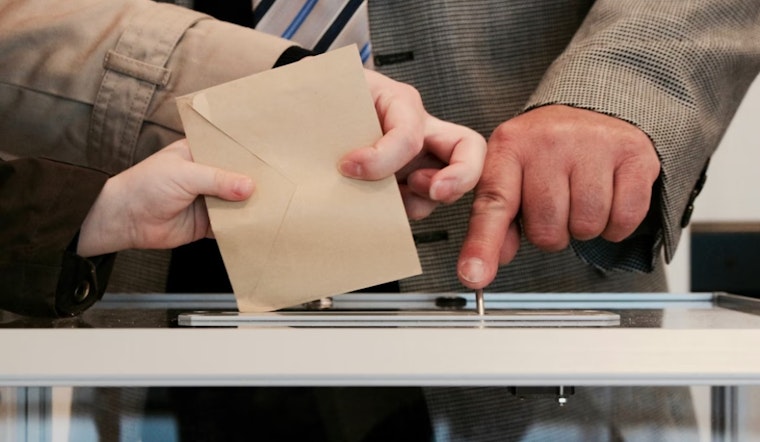
Some East Bay voters in California's 14th Congressional District will be seeing double this June, with two different ballots landing in their mailboxes for the same U.S. House seat. First comes the statewide primary on June 2, followed two weeks later by a special primary to fill the seat vacated by Rep. Eric Swalwell. That overlap means residents in parts of Livermore, Pleasanton, Hayward, Fremont and other communities could receive separate vote-by-mail packets, envelopes and deadlines for the same office. Election officials stress that the two votes are distinct: one narrows the field for the full two-year term, and the other can put someone in the job immediately.
Why Some Voters Will See Two Ballots
Gov. Gavin Newsom called a special election to fill the vacancy after Swalwell's April resignation, as outlined in Governor Gavin Newsom's proclamation. Under the state's special-election calendar, the special primary is set for June 16, and if no candidate receives a majority, a special runoff is scheduled for Aug. 18, according to the California Secretary of State.
Two Separate Races, Different Outcomes
The June 2 statewide primary will determine the top two finishers who advance to November's general election. The June 16 special primary, meanwhile, is designed to fill the remainder of Swalwell's current term right away if a candidate earns more than 50 percent of the vote. As KQED explains, the contests run on different calendars and under different rules, so voters could see different candidate lineups on each ballot even though both contests are for the same seat. That kind of overlap has already sparked confusion for some voters and election administrators.
How To Tell The Ballots Apart
County officials say the vote-by-mail packets will be color-coded and mailed in separate envelopes to make it clear which election is which, but they are still urging voters to read the instructions carefully before filling out anything. NBC Bay Area reported that the special election is expected to cost roughly $6 million, with drop boxes and vote centers available for both the regular primary and the special contests. If no candidate wins a majority in the June 16 special primary, the top two finishers will face off again in the August runoff under the state's schedule.
Who’s On The Ballot
The field is crowded. KQED lists candidates including state Sen. Aisha Wahab, educator Rakhi Israni Singh, Suzanne Chenault and Matt Ortega, among others. The contest features Democrats, Republicans and candidates with no party preference, so voters are urged to check carefully which names appear on each ballot packet before casting both votes.
For anyone unsure which ballots apply to their address or how the overlapping timelines work, county election offices and the state's special-election calendar provide the official guidance, while local outlets have been breaking it down in plain language. For a street-level look at how residents are handling the double-ballot moment, see the local report by CBS News.





