

























































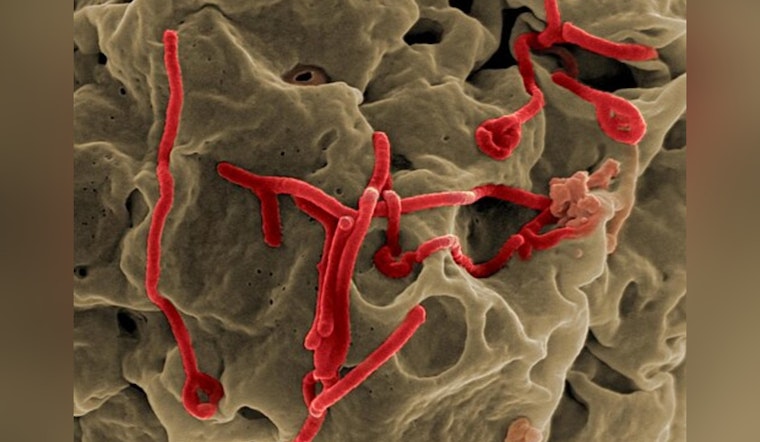
An Ebola outbreak tearing through the Democratic Republic of Congo’s Ituri province has killed at least 65 people and left hundreds more suspected ill, according to health agencies, while U.S. public health officials keep close tabs on the situation and line up technical support. The cluster is centered in mining and transit towns near the Ugandan border, a setup that has officials worried about cross-border spread. Local health systems in the area are already strained after a run of recent outbreaks and chronic resource gaps.
The Africa Centres for Disease Control and Prevention reports roughly 246 suspected cases and 65 deaths so far, with most of the illnesses in the Mongwalu and Rwampara health zones and additional suspected cases in Bunia, the provincial capital, according to the AP. Preliminary testing by the DRC’s national laboratory picked up Ebola virus in 13 of 20 samples, and the agency says four of the deaths have been confirmed through laboratory testing.
What U.S. Officials Are Doing
The U.S. Centers for Disease Control and Prevention says it is monitoring outbreaks in both the DRC and Uganda and “has extensive experience” responding to Ebola, acting CDC director Jay Bhattacharya told reporters, according to Reuters. The agency says its country offices in the DRC and Uganda are staffed and can be mobilized to support surveillance, laboratory testing and infection prevention measures as needed, and that it is working closely with the DRC ministry of health.
Regional Coordination And Cross-Border Risk
Africa CDC says it is convening an urgent meeting with health authorities from the DRC, Uganda and South Sudan, along with international partners, to strengthen cross-border surveillance and preparedness as officials watch for spread along urban and mining corridors, according to reporting by The Guardian. High population movement tied to mining, markets and transit routes in the affected zones is making contact tracing and containment significantly harder.
Uganda Case And Laboratory Notes
Uganda’s health ministry says an imported case, a Congolese national who died in Kampala, has been linked to the regional events and that initial sequencing suggested the Bundibugyo strain may be involved, Reuters reported. The World Health Organization told reporters it learned of suspected cases in early May and sent a team to Ituri. Some field samples initially tested negative while sequencing and confirmatory tests were still under way, the reporting added.
Why This Matters To U.S. Readers
Rapid detection, aggressive contact tracing and strict infection control are central to stopping Ebola, and the CDC has a long record of sending technical teams and laboratory support during past outbreaks, according to its outbreak history page at the CDC. Federal officials say that, while the immediate risk to people in the United States remains low, they are prepared to provide personnel and expertise to help regional partners contain transmission and protect health workers.
International and regional health agencies say sequencing results and additional confirmatory tests expected in the coming days should clarify the size of the outbreak and the exact strain involved. We will be watching briefings from Africa CDC, the WHO and U.S. agencies for concrete developments and will relay updates as they are announced.





.jpg)