

























































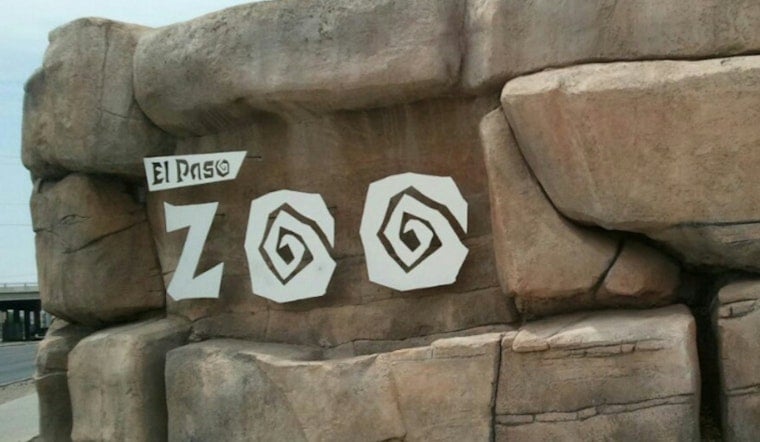
El Paso Zoo is quietly turning a little-used building in its Chihuahuan Desert section into a dedicated breeding center for smaller endangered desert species, with zoo and city officials saying construction is set to start June 1 and run through the end of 2026. Instead of a shiny new public exhibit, the space is being reserved for behind-the-scenes care, breeding, and long-term survival work, according to zoo staff.
Project details and timeline
According to Chron, the project was filed through the state's Architectural Barriers System and identifies the site as the zoo's Ranch House, a roughly 1,000 square foot indoor space. The filing lists a $65,000 renovation estimate, but city officials told Chron the full project cost is about $700,000, with the work funded through the 2012 Quality of Life bond program. Construction is expected to begin on June 1 and continue through the end of 2026.
Where on the campus
The center will sit inside the zoo's Chihuahuan Desert area, which the El Paso Zoo highlights as home to animals such as the Mexican wolf, peninsular pronghorn, and jaguar. The zoo's own materials emphasize that this desert section is a hub for regional conservation and education efforts, so the new project plugs directly into collections and programs that are already on site.
What the center will do
Zoo and city officials say the revamped space will provide a tightly controlled environment for the care, breeding, and long-term survival of smaller Chihuahuan Desert species that are most in need of help. Local outlet KLAQ reported that zoo staff is stressing the facility is meant to boost breeding, research, and recovery work, not to function as a visitor-facing exhibit.
Why it matters for desert wildlife
Captive breeding and cooperative recovery programs remain central to saving imperiled animals in the Southwest, a point underscored in U.S. Fish and Wildlife Service recovery documents for regional species. The effort also lines up with local conservation priorities, as the Chihuahuan Desert Education Coalition points out that the region is a biodiversity hotspot and is planning a Chihuahuan Desert Conference in El Paso for November 4–6, 2026, where researchers and community partners will dig into next steps for conservation.
What visitors will (and won't) see
Officials say day-to-day zoo operations should see minimal disruption, since the Ranch House sits away from the main visitor pathways, and the construction zone will be fenced off and secured. Chron reports the new center likely will not be open for public tours, so any wins for desert wildlife will happen largely out of sight of weekend crowds.
The city's choice to tap bond funds for a behind-the-scenes breeding center instead of a splashy new attraction is a low-key but clear signal that El Paso is putting money into local species recovery. For now, the zoo's pitch is simple: give small, vulnerable desert species a better shot at survival, even if most of the work happens where visitors will never see it.





