

























































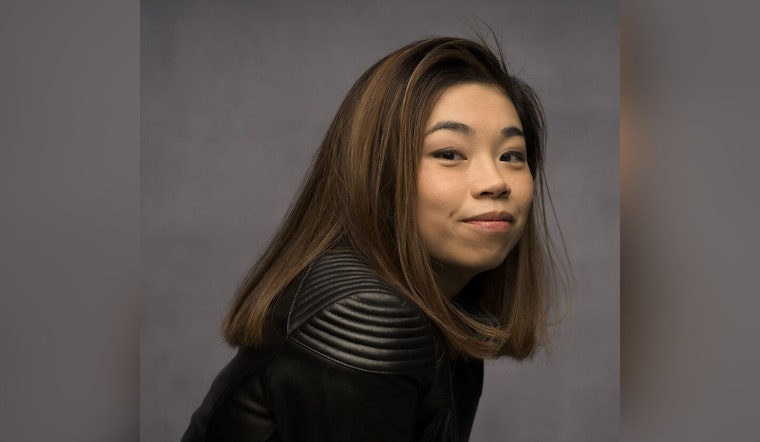
The San Francisco Symphony today tapped Elim Chan as its next music director, handing her a historic first as the orchestra’s first woman to hold the post in its 115-year history. She will step in as music director-designate next month and assume full duties in September 2027 for a six-year term.
Chan's résumé and European track record
Chan has built a decade-long international profile, most recently serving as chief conductor of the Antwerp Symphony Orchestra. Her biography highlights a wide repertory that ranges from Classical mainstays to contemporary scores, according to the Antwerp Symphony Orchestra.
Orchestra leaders frame the hire
The 39-year-old, Hong Kong-born conductor has been a frequent guest with major ensembles in both the United States and Europe, The New York Times notes. Symphony leaders are casting the move as historic and future-focused; Matthew Spivey, the orchestra’s chief executive, said he was “optimistic about where the organization is headed,” according to The New York Times.
What audiences will hear next
Chan is already on the books to lead the orchestra at Louise M. Davies Symphony Hall in June, and the Symphony’s 2026–27 season materials list her on programs that include John Adams’s Doctor Atomic Symphony, according to the San Francisco Symphony. The season announcement confirms her June appearances and spells out the choral and contemporary programs she will direct.
Local critics and the wider picture
Her guest turns in San Francisco have already drawn attention; a recent review praised her clarity and energy on the podium in a Davies Hall program, per the San Francisco Chronicle. The appointment puts Chan among a small but growing group of women leading major orchestras worldwide, a sign that the field’s leadership is diversifying, if slowly.
Looking ahead
Chan will formally assume the music director post in September 2027, and the orchestra is expected to release more details on programming and the leadership transition in the months to come. The appointment was first reported by The New York Times, which also details the search process and contract terms.




