

























































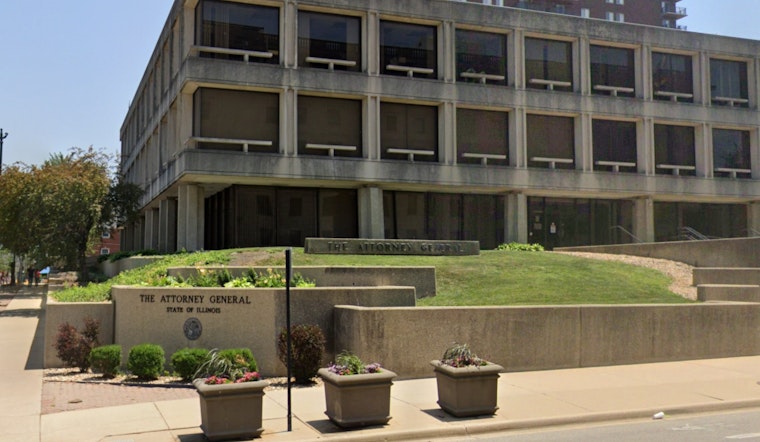
On May 26, 2026, Illinois Attorney General Kwame Raoul said the state has locked in an $8.25 million settlement with Mylan Inc., the company that sells the EpiPen, closing out allegations that the drugmaker used anticompetitive tactics that drove up costs for state programs and patients. State officials say most of the cash will be split between Medicaid purchases managed by the Illinois Department of Healthcare and Family Services and the state’s employee health benefits program.
The deal sparked some early confusion over the price tag. Initial coverage from Crain's Chicago Business reported an $82.5 million figure, but the official announcement from the Illinois Attorney General pegs the payment at $8.25 million and adds that Mylan will increase the copay coupon for its authorized generic EpiPen from $25 to $40.
Allegations And A Wave Of State Actions
According to Raoul’s office, state investigators opened their probe in 2023 after complaints that Mylan had steadily increased prices, delayed generic competition, pushed buyers toward two-packs instead of single injectors, and used contracts with pharmacy benefit managers to keep rivals off preferred drug lists. Illinois is hardly alone. Similar investigations this spring have produced parallel outcomes: the North Carolina Department of Justice announced an $11 million settlement, and the Maryland Attorney General reached a $4.5 million agreement after alleging similar anticompetitive practices.
What Illinois’ Deal Requires
Under the Illinois agreement, the state says Mylan will pay $8.25 million and increase its authorized generic co-pay coupon from $25 to $40, a change the office says will trim at least some out-of-pocket costs for consumers who rely on the devices. Most of the settlement funds are earmarked for Medicaid purchases through the Illinois Department of Healthcare and Family Services and for reimbursements to the Department of Central Management Services tied to state employee health plans, according to the state’s release.
Why It Matters
States have long pointed to sharp price spikes on the EpiPen over the past decade, noting that a two-pack that cost roughly $100 in the mid-2000s climbed to about $600 by 2016, as outlined in the North Carolina release. Officials say that kind of jump hit both taxpayers and patients who had little choice but to pay up for a life-saving emergency drug.
The controversy stretches back years. Federal and state investigations into rebate classification and related conduct led to a multistate settlement that was finalized earlier, according to a corporate release from Mylan N.V..
Legal Implications
The Illinois matter, like the related cases in other states, is a civil enforcement action brought under state antitrust and consumer protection laws, not a criminal prosecution. The settlements resolve claims involving alleged overpayments and exclusionary business practices rather than seeking to send executives to court in handcuffs.
Some state announcements tied to similar deals make a point of recording that Mylan denies any wrongdoing. The Illinois statement, by contrast, primarily highlights the money recovered and the corrective measures aimed at consumers and state purchasers.
What To Watch Next
Attorneys general around the country have increasingly teamed up on probes of pharmaceutical pricing and competition, a trend reflected in the National Association of Attorneys General’s public database of multistate settlements. Observers will be watching how Illinois ultimately allocates its share of the funds, how the richer co-pay coupon affects access and out-of-pocket costs for Illinois patients, and whether even more states line up for their own slice of EpiPen-related settlements.




