

























































A bogus Facebook page posing as Gig Harbor barbecue owner and state Senate candidate Gary Parker lit up local feeds over the weekend, tossing out inflammatory posts that included one urging voters to elect Parker "so we can barbecue Deborah Krishnadasan." The fake account splashed Parker’s headshot across its posts, linked to his campaign website and asked for donations, drawing fast outrage from commenters and injecting fresh toxicity into an already competitive legislative race.
The impostor account used the profile name "Parker Gary" and a URL ending in "NotTheRealGaryParker." It featured a pinned donation post and had about 55 followers, according to The News Tribune. The outlet reported that several posts on the page hurled derogatory comments at Democrats and transgender people while displaying Parker’s official campaign headshot and a link to his site.
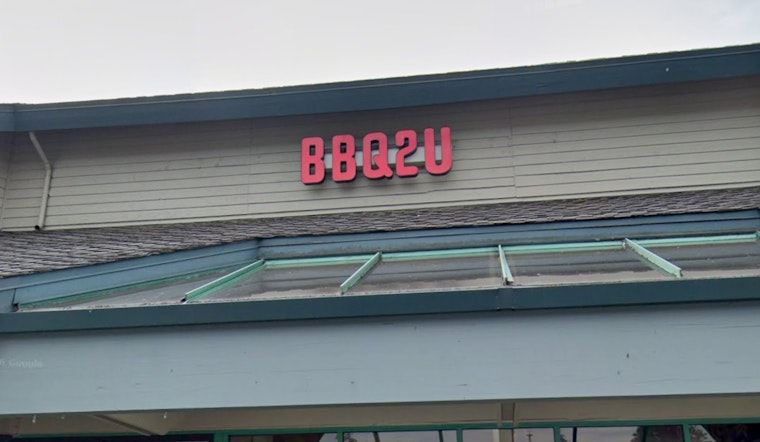
Parker, who owns Gig Harbor’s BBQ2U, has filed to run for the 26th Legislative District State Senate seat this year, according to The Olympian. His campaign site, garyparkerforwa.com, lists a registered committee and a donation portal, which the fake page steered people toward.
Candidate Responses
Incumbent Sen. Deborah Krishnadasan did not mince words. In an emailed statement, she condemned the post, saying, "Violence, threats of violence, and defamation have no place in our politics or our communities."
Parker, for his part, told The News Tribune that "The Facebook account in question is not affiliated with my campaign or me in any way" and said his campaign set up an official Facebook page after supporters flagged the impersonation.
Regulatory Backdrop
Washington’s campaign-disclosure rules are built to follow the money: who is paying for political advertising and how it is reported. They are not designed to police the content of posts, even when that content is misleading, cruel or flat-out fake. That leaves state regulators with limited tools when the problem is a fraudulent account rather than an undisclosed donor.
The Washington Public Disclosure Commission has made digital political advertising a priority as it develops systems to track online spending and disclosure, according to meeting highlights from the Public Disclosure Commission. In practice, that often means social media platforms, campaigns themselves and, at times, civil lawsuits are the likeliest avenues to tackle impersonation and fake pages instead of direct PDC enforcement.
Legal Implications
On paper, libel law offers a possible civil remedy. In reality, public figures face a steep climb. Longstanding First Amendment precedent requires them to prove "actual malice" that the person behind the statements knew they were false or acted with reckless disregard for the truth.
The Legal Information Institute notes that this Sullivan standard makes it tough for public officials and candidates to win defamation suits without clear evidence of that state of mind, which means lawsuits are rarely a quick or simple fix for online impersonation.
National Context
The Parker episode slots into a bigger, uglier pattern in modern campaigns, where election seasons are increasingly clouded by deceptive accounts, AI-generated material and tactics like "red-boxing" that signal to outside groups how to spend money. Reporting on similar strategies in other states shows how regulators and platforms are constantly playing catch-up, as detailed by the Los Angeles Times.
What happens next bears watching: whether the fake page is taken down, whether Parker’s campaign presses for action from Facebook or in court, and whether the dust-up triggers any formal complaints to state regulators. We will be keeping an eye on official campaign channels, platform responses and PDC filings as the race unfolds.





