

























































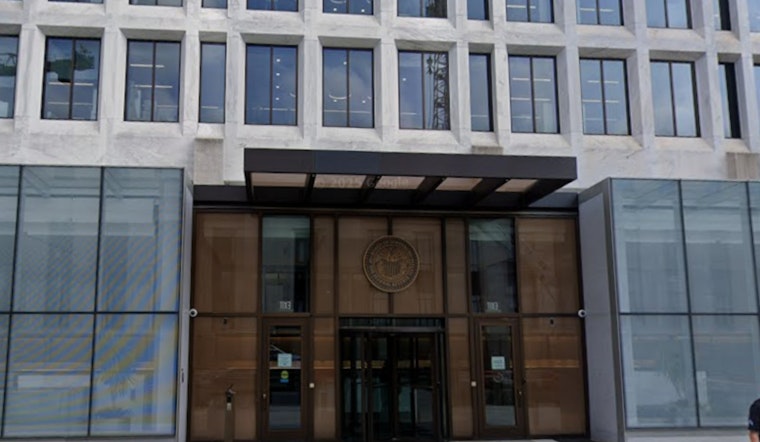
The Federal Reserve on Wednesday rolled out a proposal for a new, stripped-down "payment account" that would let eligible firms clear and settle transactions directly on central bank rails while keeping them away from the full suite of taxpayer-backed banking protections. Supporters say the idea could speed up settlements and ease the sponsor-bank logjam that piles costs onto fintech payments. Critics counter that it might spawn uninsured payment hubs that magnify run risk or open fresh doors for illicit finance. In Washington, the fight now centers on how tough the guardrails will be and how far the Fed can narrow these accounts without choking off innovation.
What the Fed put on the table
As reported by Reuters, the Board’s proposal would create a tightly defined account that lets certain eligible institutions move funds across Federal Reserve payment systems without giving them full banking privileges. According to Reuters, the concept builds on earlier internal work on a so-called "skinny" master account that tries to widen access to Fed rails while still limiting systemic risk.
How the accounts would work
In its own request for input, the Federal Reserve sketched out the fine print. Payment accounts would be open only to institutions that are already legally eligible for a Federal Reserve Bank account, and the accounts would be oriented toward clearing and settlement, not traditional deposit-taking or lending.
The Fed said these accounts would not pay interest on balances, would be subject to overnight balance caps, and would not offer intraday credit or access to the discount window. All of that is meant to keep a lid on credit and liquidity exposure. With these limits in place, the Fed argued it could run a more streamlined review process while still protecting the stability of the payments system. Federal Reserve
Supporters and critics have already lined up
Fintech trade groups and payments firms have been telling regulators that a narrowly tailored Fed account could cut fees and settlement friction by letting them bypass intermediary sponsor banks. Big banking associations, on the other hand, warn that even a sharply limited account could morph into a de facto deposit product and import new run and anti-money-laundering risks into the system.
The dispute has already generated a flurry of public comments and lobbying on both sides as the Fed gathers feedback and weighs how far to go. Reuters
Kraken’s limited pilot shows what’s at stake
The stakes came into sharper focus in March when the Federal Reserve Bank of Kansas City signed off on a one-year, limited-purpose account for Wyoming-chartered Kraken Financial. The approval lets Kraken settle dollar transfers directly with a Reserve Bank, but only under tailored restrictions.
The Kansas City Fed said the account came with conditions meant to mitigate risk, and the move quickly drew attention on Capitol Hill. Lawmakers pressed regional officials for details on those terms, including how the oversight would work and whether the decision had been coordinated with the Board of Governors. Federal Reserve Bank of Kansas City
What happens next
The Fed plans to keep collecting public input and says it may tweak the prototype before moving into formal rulemaking. Officials have signaled they want to move with some urgency while still keeping tight controls in place.
Governor Christopher Waller and others have championed the idea of a streamlined, payments-only account as a way to modernize Fed rails without throwing open the doors to full master accounts. The ultimate impact will hinge on the implementation timeline, the oversight framework, and how strict those balance caps turn out to be, which will determine whether the prototype truly eases frictions or just creates new fault lines.
For readers in Washington and across the country’s financial hubs, the next stretch will show whether these technical tweaks can win enough trust from banks, lawmakers and law-enforcement agencies to become a lasting piece of U.S. payments infrastructure, rather than a short-lived experiment.




