

























































A Slovakian man who admitted helping run a sprawling darknet marketplace that peddled fentanyl, methamphetamine, counterfeit IDs and stolen financial data has been ordered to spend 200 months in federal prison in St. Louis. Alan Bill, 33, of Bratislava, pleaded guilty in January to a single count of conspiracy to distribute controlled substances, a conviction that translates to roughly 16 years and eight months behind bars.
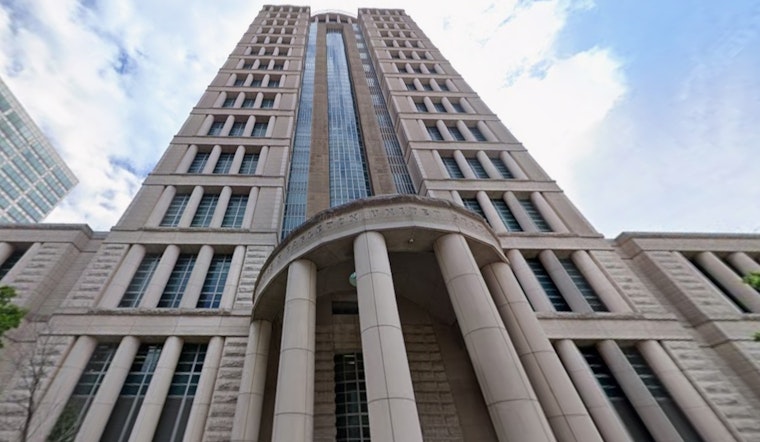
Eastern District of Missouri Judge Christian M. Stevens handed down the sentence Thursday in federal court in St. Louis. The judge said, “It’s hard to even imagine the amount of misery that the defendant’s actions have caused,” according to First Alert 4, which first reported on the hearing.
Prosecutors Say He Helped Run Kingdom Market
Prosecutors say Bill was not just a bystander in the operation. As laid out by the U.S. Attorney’s Office for the Eastern District of Missouri, he admitted providing web administration services for a darknet marketplace known as Kingdom, accepting cryptocurrency tied to the site and helping create the site’s forum pages on Reddit and Dread. He entered his guilty plea in January to the conspiracy-to-distribute charge.
Undercover Buys, Airport Arrest and Seized Devices
Starting in July 2022, undercover federal agents went shopping on Kingdom. According to the charging documents, investigators bought fentanyl, methamphetamine and a U.S. passport from vendors on the marketplace. The items were shipped into the Eastern District of Missouri, giving local prosecutors a clear hook into the case.
Bill’s run ended on Dec. 15, 2023, when he was arrested at Newark Liberty International Airport. A customs inspection allegedly turned up two cellphones, a laptop, a thumb drive and a hardware wallet that investigators say contained evidence connecting him to Kingdom’s operations.
Forfeiture, Domains and International Reach
As part of his plea deal, Bill agreed to give up several types of cryptocurrency, along with the Kingdommarket.live and Kingdommarket.so domains. Authorities say those domains have now been taken offline, cutting off a key piece of the market’s infrastructure.
The investigation was not a small-scale effort. The U.S. Attorney’s Office credits IRS Criminal Investigation, the FBI, Homeland Security Investigations, the DEA, the U.S. Postal Inspection Service and foreign partners in Germany, Switzerland, Moldova and Ukraine with helping unravel the network.
What the Sentence Signals
Prosecutors stressed that Kingdom’s business model went well beyond drugs. The marketplace offered stolen identity and financial records and counterfeit currency, and some listings pushed fake prescription pills that secretly contained fentanyl, a drug that has driven a surge in overdose deaths across the country.
U.S. Attorney Thomas C. Albus said the sentence should send a clear warning that serious crimes will be punished harshly, regardless of where the conduct occurs or how hidden online operators believe themselves to be, according to First Alert 4.
Legal Context
The single conspiracy charge to which Bill pleaded guilty carries a statutory penalty range of five to 40 years in prison and a possible fine of up to $5 million. Before the plea, prosecutors had accused him in December 2023 of multiple counts, including identity theft, misuse of a passport and money laundering, according to the charging documents.
Court filings and statements from prosecutors indicate that Kingdom had tens of thousands of active listings before authorities shut it down, a reminder that this was no niche marketplace.
The case highlights how law enforcement increasingly follows cryptocurrency trails and seizes domain infrastructure in order to disrupt illicit online markets, a cross-border strategy federal agencies have been eager to showcase. The DEA and other partners worked the investigation and continue to warn that counterfeit pills containing fentanyl remain a national public health threat, as detailed by the DEA.





