

























































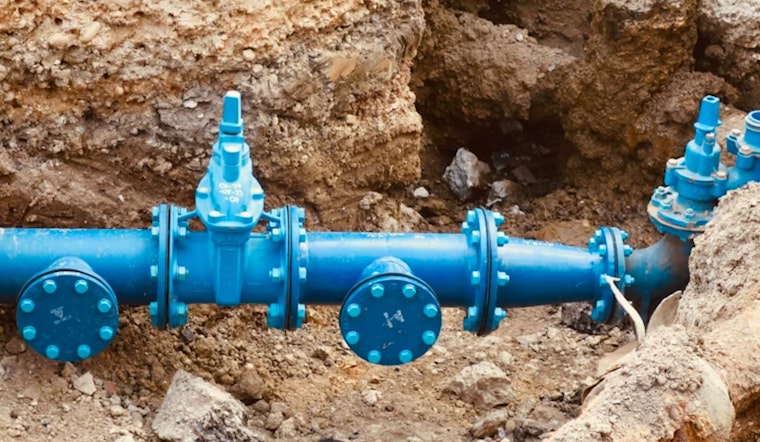
Illinois is about to get a massive federal cash infusion to clean up what comes out of its faucets, with more than $316 million in new grants aimed squarely at lead pipes and PFAS contamination in drinking water. Most of the money is earmarked for finding and replacing lead service lines, while a separate pot targets so-called “emerging contaminants” such as PFAS. The intent is to speed up inventories, cover replacement work, and help smaller systems afford testing and treatment upgrades at a time when aging pipes and new pollutants are colliding with public concern.
As reported by KMOV / First Alert 4, the awards include roughly $295,551,000 for the Illinois Environmental Protection Agency to carry out lead removal work, along with about $21,335,000 flowing through the EPA’s Emerging Contaminants in Small or Disadvantaged Communities (EC-SDC) grant program. That EC-SDC funding is reserved for small or disadvantaged public water systems and private well owners to cover testing, planning, and treatment for PFAS and other contaminants.
How the Grants Can Be Used
The new money arrives through the federal Drinking Water State Revolving Fund and related allotments, which can pay for lead service line identification, planning, design, and full replacement projects, along with community outreach and technical assistance tied to that work. EPA officials say updated allotments are designed to steer more dollars to communities with the greatest need and to help water systems get projects truly shovel-ready. The agency also stresses that states can use flexibility in these programs to prioritize disadvantaged communities when they build their project lists.
Why Illinois Needs It
Illinois still has a daunting backlog of old lead lines to pull out of the ground. The state’s Lead Service Line Replacement Advisory Board has estimated a remaining lead service line load in the hundreds of thousands, with statewide counts ranging from roughly 686,000 to more than one million lines that still require attention. That scale is why advocates and officials argue that substantial and sustained federal and state funding is the only realistic way to meet the inventory and replacement timelines already set in law. A report from the Illinois EPA’s Lead Service Line Replacement Advisory Board, published by Illinois EPA, highlights both the technical hurdles and the financing challenges of tackling the problem equitably across Illinois, and frames the replacement effort as a long-term, statewide priority.
What Comes Next
Federal allotment memos and state notices show that roughly $21 to $22 million has been carved out for Illinois through the EC-SDC program, money the Illinois EPA can pass along to qualifying small or disadvantaged systems to deal with PFAS and similar contaminants. KBSI reports that the funding is aimed at testing, planning and targeted treatment projects for communities that currently lack the financial capacity to pursue those upgrades on their own, and that Region 5 officials expect states to move quickly to get grants into the hands of systems that are ready to act.
State officials say the Illinois EPA will handle the distribution process, and they are urging communities to watch the agency’s intended-use lists and grant portals for details on applications and eligible projects. Illinois EPA maintains the funding pages and intended-use lists that will determine which towns, utilities and well owners land the next rounds of awards.





