

























































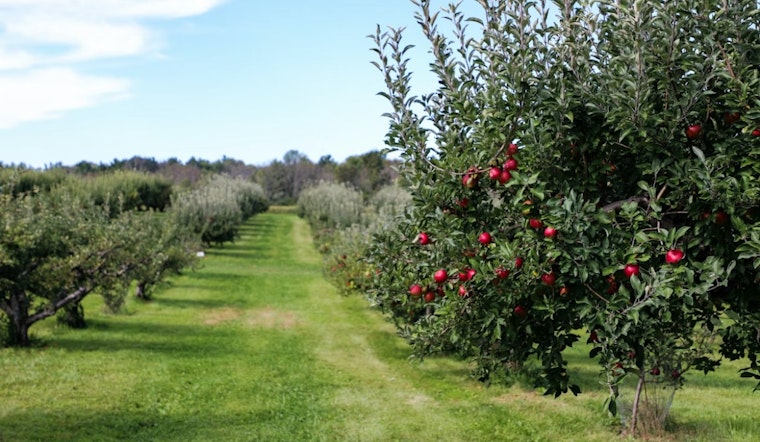
A Utah County orchardist is staring down a lost season after an early warm spell coaxed trees into budding, only for a brutal run of hard freezes to follow, turning fruit black across his orchards. Kent Pyne of Pyne Farms said tart cherries, apples, and peaches were all hit across roughly 53 acres, leaving branches heavy with shriveled, blackened fruit instead of a summer harvest. Friends have organized an online fundraiser to help the farm cover payroll and other costs while the family figures out how bad the long-term damage might be.
According to KSL-TV, Pyne estimated the loss at “hundreds of thousands of pounds” and said “99.9% of the cherries just turned black,” adding, “we’re not the only ones. Most farms in this area, and many across the state, have total crop failure.” KSL-TV also reported that Pyne Farms’ fruit will not be available in markets this year and that the operation had not seen a complete crop failure since 1972, a gut check for a farm that has weathered decades of Utah’s famously finicky springs.
How A Warm Spell Then Hard Freezes Can Destroy An Orchard
Fruit development can be cut short when trees break dormancy early and then endure several nights below critical temperatures, which kills blossoms and young fruit before they have a chance. Utah State University Extension notes that elevation, cold air drainage, and the stage of bud development all help determine how vulnerable trees are to frost. The unusually warm March that pushed temperatures well above average across much of Utah stretched out the danger window when the mercury plunged again, as KUER reported.
Statewide Damage And Local Fallout
KSL-TV reported statewide fruit losses in some areas of roughly 90 to 95 percent. Losses on that scale are expected to strain local markets and processors that count on early-season Utah fruit, and they could ripple through summer labor, packing, and distribution. For Pyne, the math is brutally simple. “We’re not going to take anything, nothing,” he said.
Relief Options And Community Response
Utah State University Extension outlines protective measures such as wind machines, overhead irrigation, and row covers, but those tools can be expensive and are not practical for every small grower. Operations like Pyne Farms are leaning on community donations and neighbor support while they decide whether to prune, replant, or accept multi-year yield reductions. Local extension offices and grower groups are compiling damage assessments that could support state or federal aid requests.
For now, growers across Utah are walking the rows, tallying losses and talking with buyers about sharply reduced volumes. Shoppers may notice fewer Utah-grown cherries and early apples on shelves this season. The collapse follows an unusually warm, dry winter and an early spring surge that left plants out of step with typical last frost dates, KUER noted. Pyne said the family will use the summer to plan for next year and thanked neighbors for stepping up during a season that turned uncertain almost overnight.





