

























































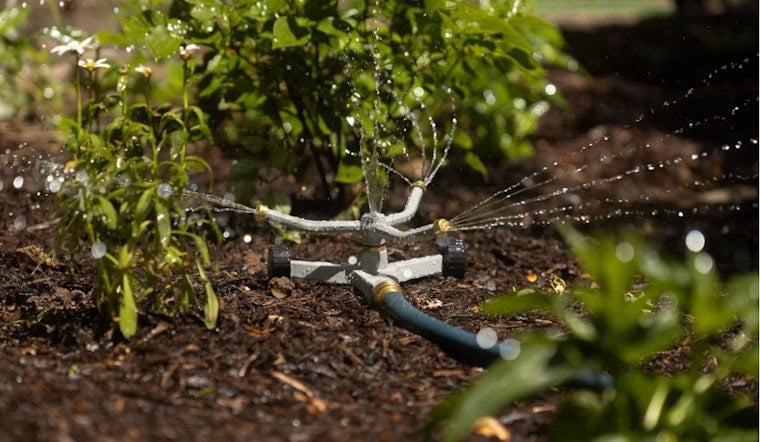
Cedar City has ordered residents to shut off every sprinkler, drip line and hose bib pointed outside after a well pump failure and a supply line leak put a dent in the city's water storage. The mandatory restriction, which covers all outdoor water use citywide, is set to remain in place through Thursday at 8 p.m.
Mayor Steve Nelson said the city mandated the citywide exterior watering restriction to protect crew safety and preserve water for drinking and indoor use, according to KSL. City officials say crews are actively working to repair the leak, but the underlying cause has not yet been determined, per the same report. Once repairs are complete, the city plans to refill all of its storage tanks and restore normal system functions.
Residents have been asked to turn off sprinklers, irrigation systems and any other outdoor water use until the restriction lifts. The timing lands during the same stretch of summer when Cedar City already limits daytime lawn watering under a standing municipal ordinance that bars culinary-water irrigation between 8 a.m. and 6 p.m. from April through October, with violators subject to citations, according to KSL. This week's order goes further, banning outdoor watering entirely rather than just restricting the hours.
A System Already Stretched Thin
The equipment failure hits a water system that was already under pressure. Cedar City's culinary network depends on 11 storage tanks with a combined capacity of roughly 18.7 million gallons, serving about 42,000 residents spread across a 36.3-square-mile service area, according to city planning documents. Just months ago, the Cedar City Council directed staff to address a sudden spike in water consumption tied to an unusually dry winter, a sign that demand was already running hot before this week's mechanical trouble.
The city's water division also maintains continuous chlorination treatment for Cedar Canyon Springs, which supplies residents east of Main Street, while working with the Utah Division of Drinking Water on a permanent filtration facility after the spring was classified as surface-water influenced. That parallel infrastructure effort underscores how many moving pieces the city's water division is juggling even before a well pump goes down.
A Deeper, Longer-Running Deficit
The pump failure is a short-term emergency, but it sits atop a structural problem that has worried water managers for years. The Cedar Valley groundwater basin has an estimated safe yield of about 21,000 acre-feet per year, yet actual well pumping averages closer to 28,000 acre-feet annually, leaving a persistent deficit of roughly 7,000 acre-feet, per the Utah Division of Water Rights. If every legally perfected water right in the basin were fully exercised, depletions could reach about 50,000 acre-feet a year, which is why the Utah State Engineer established a 45-year, five-phase groundwater management plan based on priority dates, according to Moving Utah.
Local and state officials are counting on the $280 million Pine Valley Water Supply Project, a 66-mile pipeline approved by the Bureau of Land Management in March 2026, to eventually import up to 15,000 acre-feet of groundwater annually into Cedar Valley. But that project remains contested: a coalition of Nevada and Utah counties filed an appeal with the Interior Board of Land Appeals in April, arguing the pipeline threatens regional springs and senior water rights, as per Hoodline.
Meanwhile, water has become a flashpoint on other fronts in Cedar Valley. More than 100 residents turned out in March to oppose a proposed 640-acre AI data center west of town, citing concerns over its water footprint, which includes an initial fill requirement of 2.6 million gallons. Growth pressures like that, layered on top of an aquifer already running a deficit, help explain why officials are treating even a temporary equipment failure with citywide urgency.
Mayor Nelson, who took office in January after years of local civic and business involvement including stints on the Cedar City Board of Adjustments and the Chamber of Commerce, is now overseeing the city's response to its second water-related emergency of the year. For now, the message to residents is straightforward: keep the sprinklers off until Thursday evening while crews chase down the leak and get the tanks back to full.





