

























































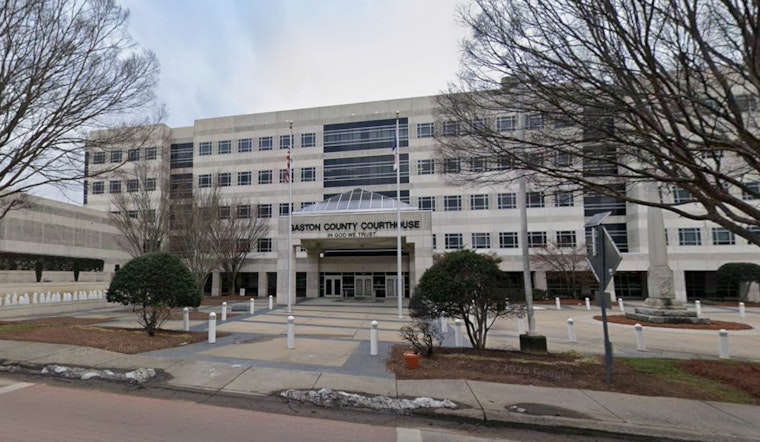
The Gaston County Board of Commissioners signed off Tuesday night on the county’s fiscal year 2027 budget, keeping the property tax rate parked at 59.9 cents per $100 of assessed value. The plan adds five new jobs, pushes big-ticket capital projects into enterprise funds instead of the general fund, and steers capital dollars toward repairs, maintenance and equipment replacement rather than shiny new buildings. Commissioners also unanimously backed a resolution asking the North Carolina General Assembly to let Gaston County put a one-quarter-cent sales tax for Gaston County Schools’ operating budget on the ballot.
Budget basics and priorities
County Manager Matt Rhoten rolled out his recommended FY 2027 budget on April 28, and commissioners moved it from public hearing to final adoption this week. The adopted plan leans hard on financial stability, keeping new ongoing commitments to a minimum while holding the tax rate steady. According to Gaston County, several larger capital projects are pushed off to future years so the current plan can focus on repairs and equipment replacement.
Big projects will be paid from service fees
Large-scale projects such as landfill expansion and upgrades at solid-waste convenience sites will be paid out of enterprise funds that rely on user and service fees instead of higher property taxes. The strategy is meant to keep one-time capital hits from punching a hole in the general fund and to protect the county’s operating budget. WCCB Charlotte also reported that the budget keeps the 59.9-cent rate in place and that property owners will still owe any municipal or unified fire-district taxes on top of the county levy.
Staffing and critical repairs
The spending plan creates five new county positions, with county documents noting that three of those are funded through grants or other restricted revenue instead of the general fund. On the bricks-and-mortar side, capital recommendations single out specific system upgrades, including a new fire-alarm system at the county jail and a building automation overhaul at the courthouse, while putting some larger projects on hold for now. Officials framed the package as a way to protect core services without touching the property tax rate, a priority that Gaston County says was central to Rhoten’s original pitch.
School funding and a possible sales-tax vote
On schools, the board went a step further and unanimously approved a resolution asking the North Carolina General Assembly to give Gaston County the authority to seek a one-quarter-cent local sales tax dedicated to the school system’s operating budget. If lawmakers sign off, the idea would not take effect automatically. It would head to Gaston County voters in a referendum. As reported by WCCB Charlotte, the resolution cleared Tuesday’s meeting without a single dissenting vote.
Why this matters for schools
The sales-tax push comes on the heels of a rough budget year for Gaston County Schools. In March, commissioners signed off on a one-time $10 million emergency transfer to help the district avoid layoffs and shore up day-to-day operations. According to reporting by the Charlotte Observer, the district has been squeezed by reduced state "low-wealth" funding, higher costs and the expiration of federal pandemic relief, a combination that helped drive the request for that emergency county support.
Next steps and where to find the numbers
The sales-tax proposal cannot move forward locally until the North Carolina General Assembly grants the county authority to put it on the ballot. Officials say what happens in Raleigh will decide whether Gaston County voters ultimately get a say. For residents who want to scrutinize the numbers, the county’s interactive budget simulator and recommended budget documents are available on the public engagement site EngageGaston. The platform also offers updates on future meetings and hearings as the tax and school-funding discussions continue. For more background on the potential referendum and how it could affect local classrooms, see coverage from WBTV.





