

























































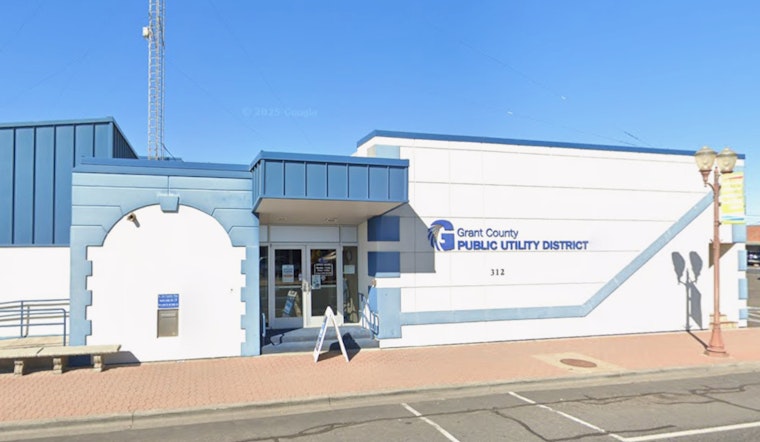
Homeowners and farmers across Grant County say their land is effectively being seized to clear the way for high-voltage transmission lines that will power a new wave of data centers in Quincy. The local utility has shifted from kitchen-table negotiations to courtroom paperwork, and residents argue that small-dollar offers and major disruption show the fight is about much more than a payout. What started as a routing question has hardened into a bare-knuckle dispute over property rights and how the region plans for energy-hungry tech growth.
As reported by The Seattle Times, Grant County Public Utility District has petitioned to condemn portions of nine homes and farms along a 31-mile Wanapum-to-Mountain View corridor that would cut across 112 parcels, including about 34 homes. Owners told the paper the PUD's opening bids have been tiny. One family said the utility put $2,415 on the table to use roughly one-third of an acre, while another homeowner said she was offered $20,400 for 4.2 acres. “It's the place we find peace,” Felícitas Quintero told the paper, and other neighbors say, “now, they're taking our land.”
Transmission Plan, Timeline And Price Tag
According to Grant PUD, the Wanapum-Mountain View 230 kV segment is a roughly 31-mile build routed mostly along existing roadways, with an April 2025 estimate of about $86 million and continuing environmental and easement work. The QTEP materials show pre-construction activities expected in mid-2026, major construction slated for mid-2028 and service targeted by late 2029. The utility says the line is critical to move more hydroelectric power from Wanapum Dam into the Quincy area as demand climbs.
Why Farmers Say The Route Cuts Too Deep
Local farmers say the PUD brushed aside shorter, lower-impact options and instead chose a path that runs straight through private fields instead of sticking to public land. Capital Press reported last year that the Wanapum line's price tag rose from roughly $40 million to $86 million and that the utility had acquired most but not all of the easements it needs. Neighbors argue the looming poles and wires will complicate irrigation, stacking hay and day-to-day farm operations. One farmer warned the lines would prevent use of electric-fence enclosures and endanger crop-spraying pilots, as reported by The Seattle Times.
Condemnation Fight Moves From Fields To Legal Notices
Local legal notices show the PUD repeatedly publishing “Easement Condemnation” announcements and lining up commission meetings after talks with landowners stalled out. As documented in legal notices in the Columbia Basin Herald, the public filings spell out parcel numbers, assessed owners and a schedule of PUD meetings in the commission room in Ephrata. Those notices also indicate the PUD will provide constructive notice when property owners cannot be located, a standard step that often comes shortly before court filings.
Data Center Boom Fuels The Power-Line Push
Quincy has been a magnet for data centers for years, with cheap hydropower and tax incentives luring hyperscale campuses that have sharply driven up local electricity demand. A February report from Columbia Riverkeeper maps planned capacity and warns that cumulative demand will require major new transmission. Regional reporting by KUOW has detailed how companies including Microsoft have shaped local power planning while drawing sustained criticism from residents and advocacy groups.
What Happens Next In Grant County
Per Grant PUD, the broader QTEP package is budgeted at roughly $260 million and is intended to boost available transmission into the Quincy area toward about 750 megawatts, with full service targeted by 2029. Landowners say they plan to press legal challenges and ask judges to decide whether the PUD properly weighed alternatives and public need before moving to condemn. Hearings and court rulings are likely in the months ahead, and the outcome in Grant County could become a template for other rural communities staring down similar data-center infrastructure buildouts.





