

























































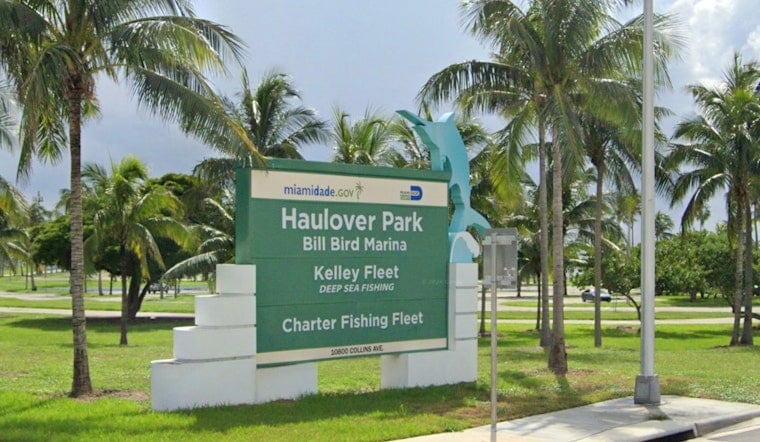
A routine environmental event at Haulover Park turned tense on April 11 when a Miami‑Dade Sheriff’s Office deputy in plain clothes shoved and threatened a Local 10 News investigator who was trying to question County Mayor Daniella Levine Cava. Video from the Baynanza event shows the deputy physically pushing the reporter and warning, “You want to go to jail?” Follow‑up reporting by Local 10 News also revealed the sheriff’s office has no specific written policy requiring plainclothes deputies to identify themselves before giving orders or making contact.
What the video shows
In the footage, Local 10 investigator Jeff Weinsier walks up to Mayor Levine Cava at the public event and begins to approach her with questions. Almost immediately, a man in a black jacket steps between them, orders Weinsier to back up, and then shoves him away.
The man was later identified as Miami‑Dade Sheriff’s Deputy Lester Aguilar, assigned to the mayor’s security detail. On the video, Aguilar can be heard telling Weinsier, “You want to go to jail?”, according to Local 10 News. Aguilar is not visibly identifiable as law enforcement in the clip, aside from how he acts and what he says.
No written rule, sheriff's office says
After the incident, Local 10 pressed the Miami‑Dade Sheriff’s Office on a basic question: are plainclothes deputies required to identify themselves before they start ordering people around?
The agency’s written response: no. It told the station it “does not have a specific policy, procedure or standard operating protocol” covering that situation. The sheriff’s office described Aguilar as “operating in a specialized protective capacity” and said members in that role “must often operate in a low‑profile manner,” according to records published by Local 10 News.
How other agencies handle plainclothes ID
Other departments around the country have moved in the opposite direction, tightening up rules so people can more easily tell when they are dealing with police.
In Madison, Wisconsin, the police department recently began requiring plainclothes officers to wear outer garments that clearly identify them as police and directed unmarked cruisers to display visible placards, according to Police1. On the West Coast, San Francisco supervisors have proposed legislation that would instruct officers to verify and document the credentials of plainclothes federal agents operating in the city, Mission Local reported.
Legal and press‑freedom concerns
Press‑freedom advocates and First Amendment lawyers say what happened in Haulover Park highlights the dangers when people in plain clothes start issuing potentially coercive commands without first making it crystal clear they are law enforcement.
First Amendment attorney Thomas Julin told The Independent that the encounter raises constitutional red flags, especially the part where a reporter is threatened with arrest while simply trying to ask a public official a question at a public event.
For those who believe their rights were violated, there are possible civil avenues. Federal law allows people to sue over constitutional deprivations under 42 U.S.C. 83, according to the Legal Information Institute.
What happens next
The Miami‑Dade Sheriff’s Office’s Professional Compliance Bureau has opened an internal affairs review into the confrontation, and the sheriff has declined interview requests about the matter so far, according to a summary in the U.S. Press Freedom Tracker feed published by Radio Free.
In the meantime, local elected officials and journalists are publicly urging the county to adopt clear, written rules spelling out how plainclothes security details should deal with the press at public events, so that asking a question does not turn into a shove, a threat, or a constitutional fight.





