

























































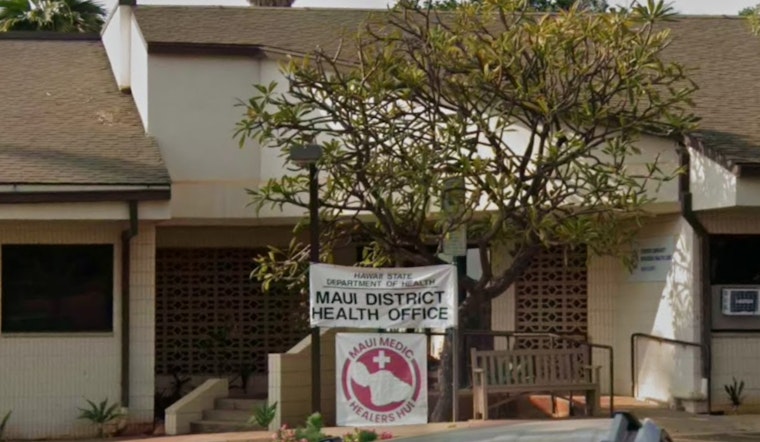
University of Hawaiʻi researchers are sounding the alarm that the Maui Wildfire Exposure Cohort Study - the long-term tracking program that has been screening and connecting hundreds of Lāhainā wildfire survivors with care - is about to hit a funding cliff. After the state Legislature declined to approve a supplemental appropriation, core operations and outreach that link participants to medical and mental health services could shut down as early as the end of June. Survivors and clinicians say the study is one of the only remaining systems regularly checking on long-term physical and psychological harm from the August 8, 2023 fires.
Bill To Keep Maui Health Study Afloat Stalls Out
Just last week lawmakers were on track to steer $3 million to MauiWES and the Maui Health Registry, but that line item stalled during late-stage budget talks, officials say. The breakdown left researchers staring at roughly a $1.5 million shortfall right as they had planned to expand enrollment to around 3,000 people, including children and first responders, as reported by Honolulu Civil Beat. That is not a minor hiccup for a project still in its ramp-up phase.
Researchers Say Services May Vanish By June
“Many wildfire survivors will lose one of the few remaining systems checking on their long-term health,” Ruben Juárez, a lead researcher on the project, told Honolulu Civil Beat. He and other team members say the study only has enough money to operate through the end of June, and that planned hiring and expansion will be frozen without an emergency infusion. While it has been active on Maui, the program has connected participants with medical care, mental health services and housing support, turning research visits into a kind of one-stop triage for lingering needs.
How MauiWES Got Off The Ground
MauiWES launched in early 2024 with seed backing from community funders, then secured federal research dollars to track survivors over time. According to the University of Hawaiʻi, the project has received about $2.3 million from the state along with additional grants from the Hawaiʻi Community Foundation, Kaiser Permanente and the National Institutes of Health. UH Mānoa researchers administer the work in partnership with local clinics and community organizations that help recruit participants and send patients their way.
Early Data Signals Long-Lasting Damage
Preliminary analyses already point to a heavy burden of respiratory and mental health symptoms among participants, which is why researchers argue that cutting off follow-up now would be shortsighted. A paper in JAMA Network Open that drew on MauiWES data found that a large share of participants reported ongoing respiratory problems, and that living inside the fire perimeter was tied to lower measured lung function. Those early findings fueled a push from scientists and clinicians urging lawmakers to commit to a longer-term effort.
SB2969: The Bill That Ran Out Of Steam
SB2969 - the bill that would have appropriated money for MauiWES - cleared Senate education and health committees, which urged the powerful Ways and Means Committee to insert a $3 million appropriation to expand and sustain the project. As laid out in a Senate committee report hosted by TrackBill, lawmakers highlighted the study’s role in detecting toxic exposures and helping vulnerable residents. The bill was sponsored by Sen. Angus L.K. McKelvey, according to LegiList, but it ultimately did not secure the cash its backers wanted.
Emergency Ask And A Scramble For Bridge Money
In response, university officials have filed an emergency budget request that includes a $1.5 million ask to keep services for the existing cohort running through June and to avert staff layoffs. In testimony to the House Finance Committee, UH leaders said MauiWES has already helped thousands of residents obtain screenings and referrals, and they argued that timely funding is crucial to preserve community partnerships and avoid procurement delays, according to University of Hawaiʻi testimony. The university and its community partners say they are hunting for short-term bridge funding even as they continue pressing state leaders to find a longer-term fix.





