

























































Hennepin County officials say a revamped overdose response that pairs naloxone with on-scene buprenorphine and short follow-up outreach is nudging more people from a one-time rescue into longer-term treatment. At a May 19 county board meeting, presenters shared early outcome numbers that county leaders called promising and said the new approach appears to be boosting treatment engagement. The update arrived during a packed board agenda that also covered routine budget and program briefings.
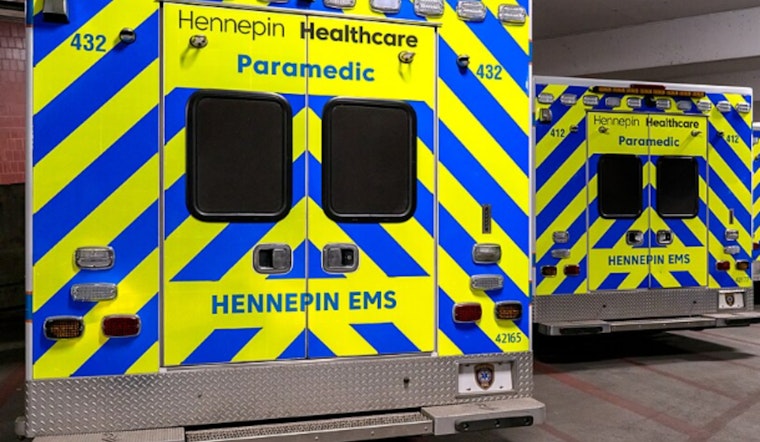
As reported by MinnPost, the Documenters' summary noted the county added a post-overdose "bridge" in which staff reach out to patients in the month after an overdose. Preliminary figures in that summary point to higher treatment retention since EMS crews began offering buprenorphine in the field. Hennepin Healthcare first reported in 2023 that Hennepin EMS teams were carrying Suboxone on rigs to treat naloxone-induced withdrawal and help connect survivors to care. Local reporting from the Star Tribune has followed early patient counts and clinician reactions to how the program is playing out on the ground.
How the bridge works
After naloxone reversal, paramedics screen patients and, when it is clinically appropriate, can give a dose of buprenorphine to blunt withdrawal symptoms and lower the immediate risk of using again. County staff then follow up in the weeks after an overdose to offer referrals, clinic appointments, and harm-reduction resources, all meant to increase the odds that survivors plug into ongoing care. Officials say that the model lines up with statewide guidance and resources promoted by MN Bridge and the Minnesota Department of Health.
Early results and local reporting
Local coverage has found Hennepin EMS officers offering buprenorphine to dozens of patients, with many reporting relief of withdrawal symptoms and clinics observing higher treatment entry after starting medication in the field. The Star Tribune reported that early counts showed more than 120 patients had been offered the drug and highlighted clinicians who said most patients experienced immediate benefit. Industry reporting at EMS1 and other outlets has focused on operational lessons and safety data as more EMS agencies test out on-scene inductions.
Why this matters here
Hennepin County's public update points out that fentanyl was involved in 86% of opioid-related deaths between January and June 2025, a stark reminder of how little margin for error the current drug supply allows. County leaders say pairing emergency care with immediate medication and structured follow-up may help blunt the deadliest effects of a fentanyl-dominated market by turning a single rescue into a better shot at stability. The Hennepin County update details broader investments in prevention, harm reduction, and treatment services wrapped around this strategy.
What's next
Presenters outlined the early results for commissioners on May 19, and the Documenters' summary in MinnPost captured the subsequent board discussion. State public-health leaders and programs such as the Minnesota Department of Health have been promoting tools and training for EMS-led buprenorphine, as cities and counties debate whether to scale up field inductions and bridge follow-up more widely.
"There's nothing more rewarding than being able to do more than save a life," Hennepin Healthcare wrote when it announced the EMS protocol in 2023. County officials now say the mix of medication and post-overdose outreach is designed to make that sentiment real, turning a chaotic emergency call into a doorway to care. They caution that the data are still preliminary, but argue that the early signal suggests EMS can be a more active link in preventing repeat overdoses and finding treatment paths for survivors.





.jpg)