

























































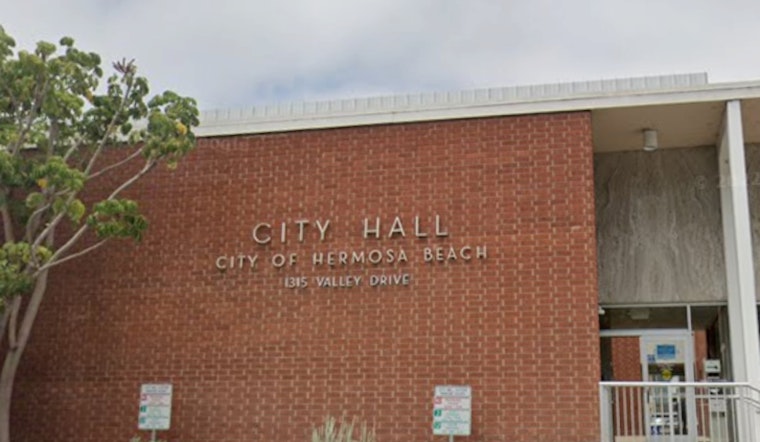
Hermosa Beach is staring at a roughly $3.2 million general fund shortfall, and the era of easy fixes appears to be over. At a budget study session on Tuesday, city staff walked councilmembers through a menu of options to close the gap next year, from new taxes and parking tweaks to short-term rental crackdowns and selective service cuts.
Rising labor and contract costs, especially county service agreements and mounting pension obligations, have opened up a structural imbalance that one-off patches can no longer fully cover. The question in council chambers now is not whether to act, but which combination of revenue moves and belt-tightening residents will tolerate.
Clear options on the table
Staff put the recurring shortfall at about $3.2 million, a figure outlined in the city’s FY 2027 budget presentation and echoed in local coverage. Short-term rental compliance and enforcement emerged as one of the fastest levers, with staff estimating up to $5 million in one-time collections and about $1 million a year in ongoing receipts, according to Hermosa Review.
Staff also highlighted the prospect of a local sales tax measure, saying each quarter-cent could bring in roughly $1 million annually. They further floated an increase to the transient occupancy tax on hotel and vacation stays, noting that a one percentage point bump would generate about $364,000 a year, as reported by the Daily Breeze.
Parking, fees, and ballot math
On the streets, parking could quietly become one of City Hall’s biggest moneymakers. Staff suggested dynamic parking pricing and expanded meter hours on busy summer days, projecting $1.5 million to $2 million in new revenue from those changes, plus another $400,000 to $600,000 from higher citation collections.
City Manager Steve Napolitano did not sugarcoat the situation, telling the council, “Doing nothing is no longer an option,” according to Easy Reader.
Short-term rentals are a fast lever, and a complicated one
The short-term rental money is not exactly free cash, staff warned. To actually collect it, the city will need stepped-up enforcement, business license audits, and upgraded systems, and those administrative costs could eat into the topline estimates.
Councilmember Raymond Jackson signaled interest in going further on the tax side, urging colleagues to aim the transient occupancy tax closer to 15.5 percent and to look at higher short-term rental rates as part of a broader package, per Hermosa Review.
Reserves, cuts, and tradeoffs
For residents hoping the city can simply tap its rainy day fund, staff had a cautionary reminder. Trimming contributions to reserves could free about $1.1 million in the near term, and deferring equipment and fleet replacements might save roughly $2 million. Those moves, however, would thin the city’s financial cushion and limit flexibility when the next emergency hits.
Because of those tradeoffs and the council’s existing reserve targets, service reductions remain very much on the table even as staff chases new revenue, according to the Daily Breeze.
What happens next
The council will continue budget study sessions in June and is scheduled to adopt the final FY 2026–27 budget on June 23, according to city notices. Any changes to sales taxes or assessments would require voter approval or a Proposition 218 process.
Between now and then, residents can expect additional public hearings, an updated fee schedule, and follow-up staff reports on parking and enforcement proposals before the council takes final votes, per the City of Hermosa Beach.





