

























































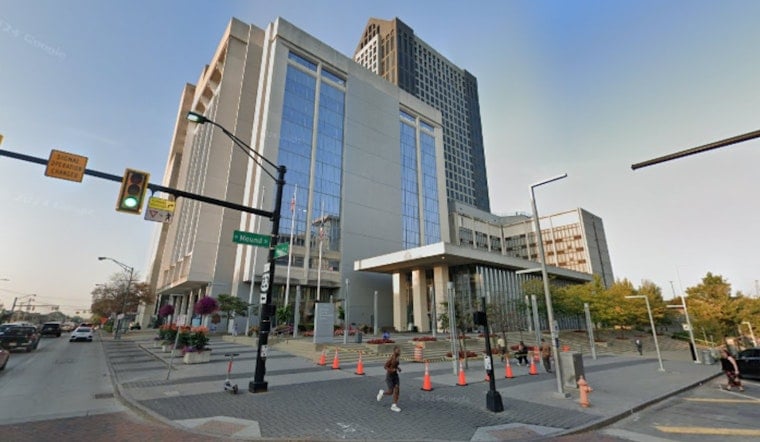
Tomorrow, a three-judge panel at the Ohio 10th District Court of Appeals in Columbus is set to wade into a four-year legal brawl over the EdChoice voucher programs, a fight that could reshape scholarships used by roughly 150,000 students and influence more than a billion dollars in state spending. The appeal stems from a trial-court ruling that flagged major pieces of the voucher expansion as potentially unconstitutional, yet kept the program running while the higher courts sort it out. Parents, public-school leaders, and private-school advocates have all been gearing up for this round of arguments.
Appeals Panel Will Hear Arguments Tuesday
The 10th District scheduled oral arguments for Tuesday in Columbus, where both sides will make their case before a three-judge panel. As reported by Spectrum News, the court set the session for May 12, allowing the judges to revisit the trial court's constitutional reasoning. Attorneys on each side say they plan to push sharply different legal theories on whether the expansion of taxpayer-funded scholarships undercuts Ohio's obligation to maintain a system of common schools.
Who Filed The Suit And What They Say
The lawsuit dates back to 2022, when a coalition of public school districts, parents, and advocacy groups sued the state, arguing that the EdChoice expansion pulls foundation dollars away from public classrooms. According to the Ohio Coalition for Equity and Adequacy of School Funding, the "Vouchers Hurt Ohio" coalition now includes more than 330 districts challenging the program. The trial judge's ruling, which identified significant constitutional problems with the EdChoice expansion but put enforcement on hold while appeals proceed, was reported by News 5 Cleveland.
The Numbers And What's At Stake
The size of the programs sits at the center of the fight. All of Ohio's voucher programs combined are projected to cost about $1.175 billion this school year, and EdChoice alone is expected to cover roughly 152,000 students and account for most of that amount. Critics say funneling those dollars into private-school scholarships has left many districts with far less state revenue per student, with local examples showing some districts receiving only about $1,500 to $2,600 per pupil while scholarship awards run much higher. Full EdChoice scholarship amounts are $6,166 for grades K through 8 and $8,408 for grades 9 through 12, according to Cleveland.com.
Legal Stakes And The Path Ahead
The state has appealed and has signaled it is prepared to take the case as far as needed, arguing that vouchers and traditional public schools can coexist under Ohio law. National coverage noted that the state moved quickly to appeal after the trial ruling and that the trial judge stayed enforcement to avoid immediate upheaval while the legal process plays out. If the 10th District issues a split decision or rules decisively for one side, the loser can ask the Ohio Supreme Court to review the case, which could keep the dispute alive for months or longer.
Local Reaction
District leaders who joined the lawsuit say the money diverted to private-school scholarships has weakened classroom budgets and chipped away at local control, and they contend that the courts are the proper arena to enforce the state constitution. The coalition has consistently framed the litigation as a fight to protect public-school funding, while private-school supporters and some lawmakers argue that the program opens doors for families and should remain an option. Those competing narratives have fueled a high-profile legal and political showdown across the state as Tuesday's arguments approach.
Whatever the appeals court ultimately decides, the ruling could reshape how Ohio funds K through 12 education and set a precedent on whether a near-universal scholarship program can coexist with the constitutional guarantee of common schools. The 10th District typically issues a written opinion weeks to months after oral argument, and either side can then ask the Ohio Supreme Court to step in. For now, families using EdChoice can expect the program to keep operating while the appeals process continues.




