

























































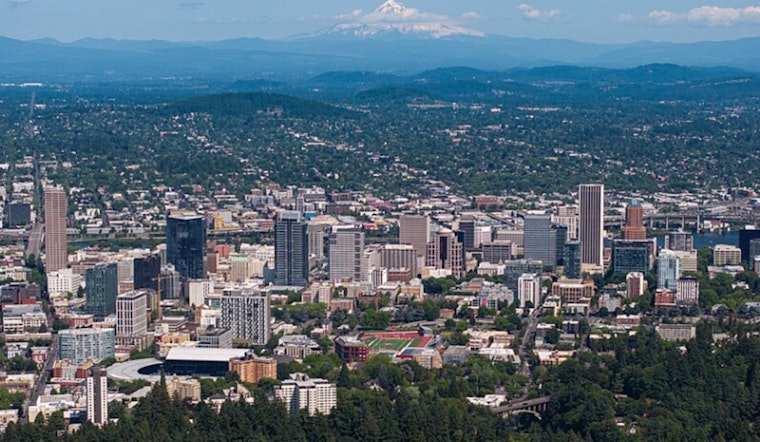
Oregon is suddenly on the front lines of the national backlash to artificial intelligence, as state lawmakers and local officials try to tap the brakes on the data center boom that keeps the industry running. This spring, the Legislature slipped a narrow pause on enterprise-zone tax breaks for data centers into a broader bill, right as Hillsboro raced to handle a flood of last-minute applications. The politics, and the pushback, are already reshaping where and even whether AI companies put their next big compute hubs.
Lawmakers added a temporary moratorium to House Bill 4084 to keep new data center projects from tapping expanded enterprise-zone incentives while a state advisory committee studies the impacts, according to OPB. The bill and its language are posted on the Oregon Legislature’s bill page. The City of Hillsboro says 17 enterprise-zone applications landed before the cutoff and has set a public work session for June 2 to walk through policy options and whether a local pause is on the table, according to the city’s Q&A materials.
Why communities are pushing back
The resistance is not just loud meetings and yard signs. A Heatmap Pro tally found that at least 20 proposed data center projects were canceled after local pushback in the first quarter of 2026, representing more than $41.7 billion in planned investment and roughly 3.5 gigawatts of electricity demand. That burst of cancellations, and the neighborhood fights behind them over water use, noise, and grid strain, has turned big data center subsidies into a political third rail in many counties and cities, according to Heatmap Pro.
Polls show growing skepticism
The political pressure lines up neatly with shifting public opinion. Gallup surveyed 1,572 Americans ages 14 to 29 and found that hopefulness about AI has fallen to just 18 percent, while a May Economist/YouGov poll found roughly 70 to 71 percent of adults saying AI is advancing too quickly. Those results suggest the anger and unease cut across generations and party lines, an unusual coalition that can turn into serious permitting trouble for projects that land near homes and farms. Gallup and Economist/YouGov provide the polling details.
Market reaction and industry pushback
Wall Street is paying attention. Analysts at Morgan Stanley warned that “public pushback is emerging as a binding constraint” on data center buildout, and Jefferies told clients that setbacks are “sapping confidence,” both reported by Axios. Industry leaders are not in full panic mode, and some startup founders say they are not yet seeing the backlash touch their own customers, but investors and developers are already reshuffling priorities away from projects where the permitting risk looks highest.
What this means for Hillsboro and next steps
On the ground, cities are boxed in by state enterprise-zone law. Sponsors have to process applications that meet statutory standards, but they can attach local addenda and conditions, a duty spelled out in the enterprise-zone statute and guidance. Hillsboro’s councilors are weighing procedural and policy changes as staff prepare the June 2 briefing, and local coverage has followed calls for an emergency session and faster transparency on the filings. The City of Hillsboro’s Q&A and recent coverage lay out the local timeline and debate.
For Oregon, the fight is a preview of the national friction ahead. If states and communities keep tightening the rules, AI companies will face much tougher choices about where to build, and the industry may respond by putting more money into efficiency, behind-the-meter power, or smaller projects that draw less heat from neighbors. For now, residents and local officials have carved out a rare pocket of leverage over the physical infrastructure that powers generative AI.





