

























































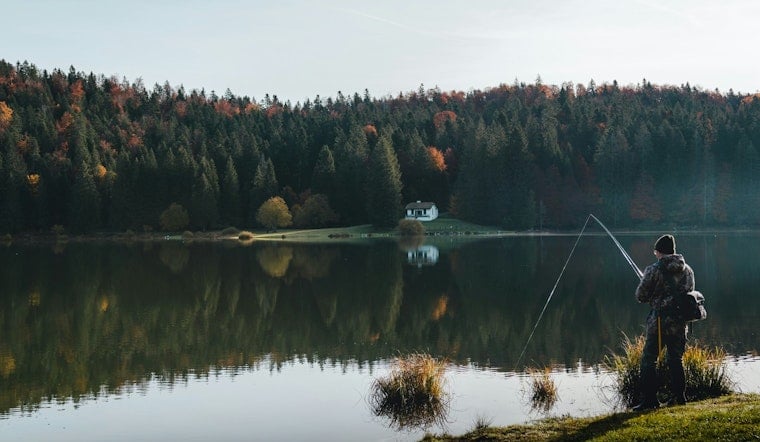
A high-stakes ballot push in Oregon just hit a major milestone, and it is aimed straight at some of the state’s oldest pastimes. Supporters say they have turned in enough raw signatures to advance a measure that would effectively criminalize hunting, fishing and many routine animal-husbandry practices, potentially putting the question before voters in November 2026. Filed this cycle as Initiative Petition 28 and branded the PEACE Act, the proposal would strip longstanding exemptions that currently keep licensed hunting, commercial fishing and many farm procedures outside Oregon's animal-cruelty laws. Backers describe it as a simple expansion of protections beyond pets, while critics warn it could scramble rural economies and the way Oregon manages wildlife.
The Oregon Secretary of State's May 20 submission log lists Initiative 2026028 with 120,935 raw signatures, which is above the 117,173 minimum required to qualify for the ballot, according to the Oregon Secretary of State. The record shows the most recent submission on May 20, along with a running total of what campaigners turned in as they inched toward the statutory threshold.
Backers say the PEACE Act would extend the protections that now apply to companion animals to farmed and wild animals, with carve-outs for veterinarians and self-defense, and a "Humane Transition Fund" for affected workers and producers, according to the Yes On IP28 campaign. Supporters argue the measure is aimed at abuse and neglect across species rather than an effort to wipe out rural life, though they acknowledge the proposal is sweeping.
Opponents mobilized quickly. The Oregon Hunters Association and a coalition of sportsmen, farm and ranch groups argue the measure would criminalize routine food production, drain funding from the Oregon Department of Fish and Wildlife and create broad legal uncertainty. National conservation organizations, including the Congressional Sportsmen's Foundation, have echoed those concerns. Lawmakers from both major parties have publicly lined up against IP28, warning its effects on conservation funding and rural economies could be severe.
Where the petition stands and what comes next
Supporters say they have been collecting signatures since 2024 and that the latest batch pushed them past the minimum threshold. The campaign is not in the clear yet, though, because the Secretary of State still has to verify the signatures. As reported by KATU, state officials must review the sheets for validity before the initiative can be certified. If everything checks out, the measure would appear on the Nov. 3, 2026 general election ballot.
What the measure would change
According to the campaign summary, IP28 would remove exemptions in Oregon's animal-cruelty statutes that currently allow licensed hunting, recreational and commercial fishing, trapping and many standard farming and veterinary procedures. Supporters call that a move toward legal parity for how the law treats animals. Critics counter that the language is so broad it could outlaw routine agricultural practices, complicate wildlife research and make standard management tools legally risky overnight.
Local reaction and tribal concerns
County groups, local officials and tribal advocates are already raising alarms. A resolution from the Crook County Democrats warns that the initiative contains no explicit tribal exemptions and could jeopardize treaty-reserved hunting and fishing rights. Other local leaders have urged residents to study the ballot language carefully before signing or voting, saying the fine print matters here more than usual.
Whether IP28 ultimately lands on the ballot now hinges on the Secretary of State's review in the coming weeks. Proponents must clear the state’s validation rules and meet the July 2 signature deadline, according to the Oregon Hunters Association. Regardless of the outcome, the push has already ignited a statewide fight over how Oregon pays for conservation, produces food and balances expanding animal-welfare protections with long-standing rural traditions.





