

























































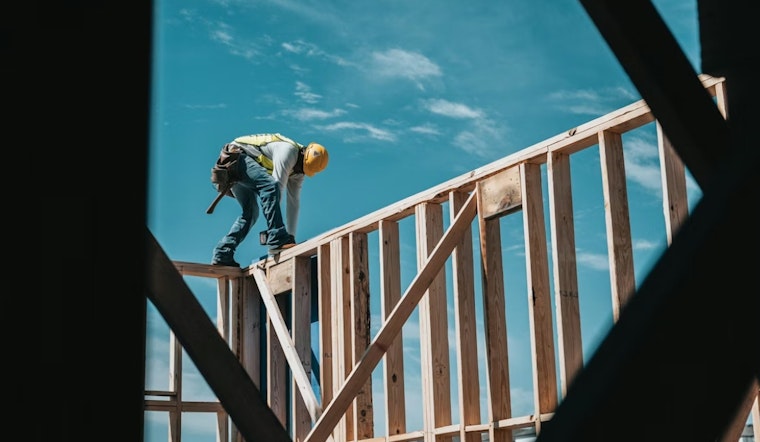
Crews are in the home stretch on Ibis, a mixed-housing project climbing up at La Mesa Boulevard and Garfield Street that is set to bring about 72 apartments and townhome-style residences to the neighborhood. The new construction replaces an older medical office building and a surface parking lot and blends deed-restricted affordable apartments with market-rate flats and live-work townhomes. Developers have pitched the complex as a fit for middle-income renters along with nearby hospital and service workers.
City filings lay out the plan
Project paperwork on CEQAnet lists “Project 2021-48” as a roughly 2.2-acre infill build that will add eight three-story buildings with 72 residential units, about 90 covered garage parking spaces plus 22 surface stalls, and roughly 14,000 square feet of community recreation area with walkways and landscaping, according to the CEQA. The filing also notes 10 deed-restricted low-income units and shows the project moving through design review and council ratification in April 2023.
Developer, cost and unit mix
Industry reports identify Sea Anemone LLC as the site’s developer with Good & Roberts as the builder on a project pegged at about $29 million, and describe the plan as targeting middle-income tenants. As reported by the San Diego Business Journal, the community is slated to include roughly 10 affordable apartment flats, about 22 market-rate apartment flats and around 30 townhomes. Those townhomes break down to 25 two-bedroom units and five live-work townhomes, for a combined total near 72 homes. The same coverage notes that the live-work units feature flexible first- and third-floor spaces, range from about 1,120 to 1,360 square feet, and are expected to begin turning over in phases in the coming months.
Who designed and is building it
Good & Roberts, a San Diego-area general contractor headquartered in Carlsbad and acquired by C.W. Driver in 2013, is overseeing construction, while HGW Architecture is credited as the project’s designer. Project materials describe a low-rise, courtyard-focused layout instead of a single tall tower, an approach intended to better mesh with La Mesa’s village corridor rather than dominate it.
Amenities and site design
Plans call for landscaped courtyards, pedestrian walkways, shaded gathering spots, barbecue stations, fire pits, pergolas, outdoor seating and planter beds, with communal gardens and other shared open spaces woven through the site plan, according to the San Diego Business Journal. The deliberate mix of flats and townhomes is intended to create more of a neighborhood feel while still concentrating new housing along a transit-served corridor.
Rents, timeline and who it is aimed at
Marketing materials tied to the property flag pre-leasing in May 2026 and show studio, one-bedroom and two-bedroom floor plans, with advertised rents starting in the low $2,000s and climbing for larger layouts, according to listings on PadMapper. City planning documents note that the project sits near regional transit and major roadways, which should help keep it accessible for hospital, retail and service workers in the Grossmont area.
Why it matters locally
City planners and developers have framed infill projects like Ibis as central to La Mesa’s strategy to add housing capacity without pushing deeper into single-family neighborhoods. Local coverage has chronicled an ongoing tug-of-war over housing density and how new state rules could reshape what gets built near transit, and Ibis is one of several recent infill projects working through approvals and construction in the city. For detailed records and planning documents, residents can turn to the City’s project filings and related materials.
Neighbors and would-be renters can keep an eye on council packets and the property’s leasing pages for the final word on pricing and move-in dates as the development shifts from construction site to occupied homes.





