

























































A long-simmering virtual school scandal in Indianapolis is finally headed to a federal courtroom. On July 28, 2026, a trial is set to open in a case that prosecutors say involved padded enrollments at two now-defunct virtual charter schools and a flow of state education dollars to privately connected companies. Federal officials allege the maneuvering led to tens of millions of dollars in improper payments, triggered a forensic audit, and sparked multiple civil lawsuits. It is one of the largest school-funding controversies Indiana has seen in recent years and is expected to shine a harsh light on how online charters are policed.
What prosecutors say
Federal prosecutors have charged former school founder Thomas Stoughton and former director Phillip Holden with conspiracy to commit wire fraud and more than a dozen counts of wire fraud. Stoughton is also charged with money laundering. According to the U.S. Department of Justice, the government alleges that school leaders inflated enrollment counts submitted to the Indiana Department of Education and told staff to reenroll students so they would appear on official state “count days.” The indictment says those inflated headcounts helped generate more than $44 million in state payments tied to the two virtual schools.
Audit findings and the scale of the loss
A special investigation by the State Board of Accounts later concluded that the schools improperly claimed thousands of students and that the state paid roughly $68.7 million based on students who were not actually attending. Auditors also flagged about $85 million in questionable payments routed to companies tied to school insiders. Contemporary coverage of the findings noted that the audit was sent to law enforcement. That report now underpins both the criminal case and a web of civil lawsuits following in its wake.
State suits aim to recover public money
In July 2021, the Indiana attorney general’s office filed a broad civil complaint seeking to claw back roughly $154 million from the virtual schools, related businesses, and the individuals named in the audit. The complaint, which includes the full State Board of Accounts report, asks the court for disgorgement, enhanced damages, and other relief, and is available through the Indiana Attorney General’s office. Later court filings and follow-up reporting indicate the two related state civil actions now seek more than $156 million in combined recovery.
Pleas and earlier guilty pleas
Not everyone swept up in the investigation is headed for trial. Former superintendent Percy Clark pleaded guilty in June 2025 to a wire fraud conspiracy charge, agreed to pay about $1.3 million, and received a probation sentence, according to Chalkbeat. Another former operations manager, Christopher King, entered a guilty plea in late 2023. Several additional former employees have also struck plea deals that feed into the government’s effort to obtain $44.6 million in restitution set out in the criminal case.
Delays, defense strategy and why July matters
The criminal trial has been pushed back several times, with court records and local coverage showing that the late July start date landed on the calendar only after multiple delays. Defense lawyers have resisted plea agreements, and an attorney for Holden has publicly maintained that his client is innocent and ready to make his case in front of a jury, according to WFYI. Scheduling has unfolded against the backdrop of strain in the federal defender system, including a 2025 funding shortfall that left courts unable to reimburse certain program costs, as reported by Bloomberg Law, a complication that judges and defense teams say has affected timing in some federal criminal cases.
What this means for oversight of online charters
Beyond the fate of the defendants, the case is fueling a broader debate about how Indiana approves and monitors virtual charter schools. The scandal has raised questions about the role of small authorizers such as Daleville Community Schools and whether the state’s existing tools for tracking virtual attendance and enrollment are strong enough. Education reporters and public-interest outlets have noted that the fallout has intensified calls for tighter verification of remote student counts and more robust checks on how online schools report who is actually logging in, according to Indiana Public Radio.
When and where
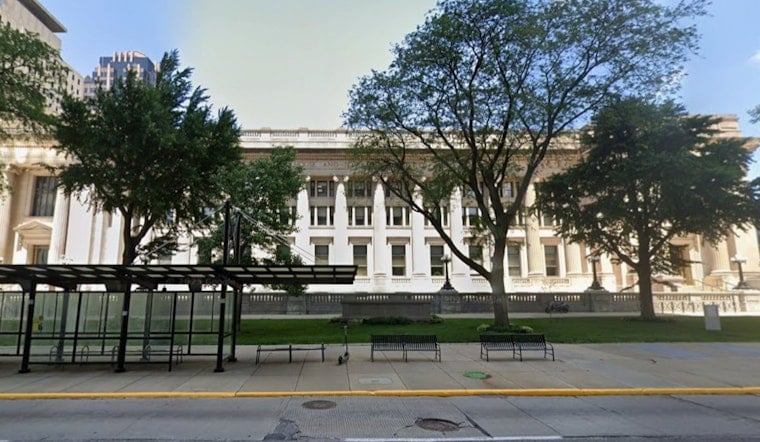
The trial for the remaining defendants is scheduled to begin at 9 a.m. on July 28 in the Birch Bayh Federal Building and U.S. Courthouse in downtown Indianapolis. Public listings for the Southern District of Indiana place the Birch Bayh courthouse at 46 East Ohio Street and detail the court’s schedule. Unless the judge orders restrictions, the proceedings will be open to the public and are expected to feature extensive witness testimony along with records that prosecutors say will show enrollment inflation and improper vendor payments tied to the two virtual schools.





