

























































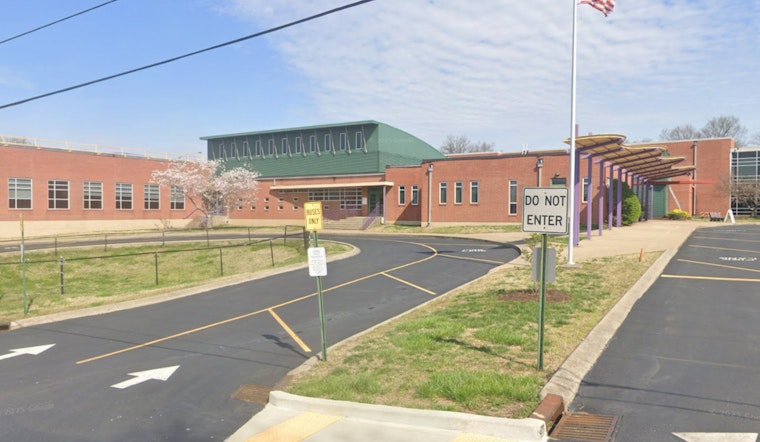
After Inglewood Elementary parents raised alarms about pre-kindergarten classrooms that wound up divided by race and income, Metro Nashville Public Schools is changing how it assigns its youngest students. The move comes after months of organizing by the Inglewood PTA and a formal letter urging the district to create mixed-income, integrated Pre-K rooms.
MNPS Says It Will Braid Pre-K Funds To Mix Classrooms
In a statement to Nashville Banner, MNPS said it will start “braiding” Pre-K funding so students from all income levels can sit in the same classrooms instead of being sorted by which pot of money pays for their seat. District officials told the outlet the change will make braided funding available across 19 schools and three early learning centers beginning this fall.
A district spokesman told the Nashville Banner the setup “was never intended to divide children or families” and said classroom assignments had been driven by funding eligibility rules, not any other factor.
How Pre-K Funding And Fees Work Now
MNPS Pre-K classrooms are stitched together from a mix of local, state and federal funds, each with its own eligibility rules that can determine which children land in which room.
The district’s fee structure is laid out on a Pre-K program page from Metro Nashville Public Schools, which notes tuition is set on a sliding scale and currently ranges from $0 to $144 per child per week, depending on household income and family size.
Parents Sound Alarm After Noticing Split Classrooms
The push for braided funding started close to home. At Inglewood Elementary, a pilot approach left Pre-K classrooms separated by funding stream, a setup parents said effectively created racially segregated rooms, according to the Nashville Banner.
The Inglewood PTA responded with a September 2025 letter demanding integrated classrooms, a letter the Nashville Banner reports was signed by 53 community members. One Inglewood parent, Ann Green, told the outlet, “I just felt like this could not be real,” while several Pre-K teachers said they were grateful the PTA elevated the concerns and backed efforts to restructure how classrooms are composed.
Why Braiding Money Matters For Little Kids
Research finds early-childhood settings are often as segregated, or more so, than older grades. Education experts say braided funding is one practical way to build mixed-income classrooms that support children’s social and academic development instead of sorting them by family income before they can even read their own nametags.
The Century Foundation has pointed to braided and mixed-seat models as tools districts can use to work around the bookkeeping quirks tied to different funding sources. Local advocates say MNPS’ decision will be an early test of whether changing the money rules actually leads to more diverse classrooms when students show up on the first day of school.
What Families Should Watch For Next
MNPS has said the braided funding model will show up in seat-selection and Pre-K application materials this summer and into the fall. Families are encouraged to watch the online application information from Metro Nashville Public Schools for enrollment timelines and school lists.
For application and fee details, families can refer to MNPS Pre-K information pages or contact the Early Learning office through the district’s Family Information Center. As schools finalize their seating plans, observers will be watching to see whether the new braided funding policy actually changes who ends up learning side by side.





