

























































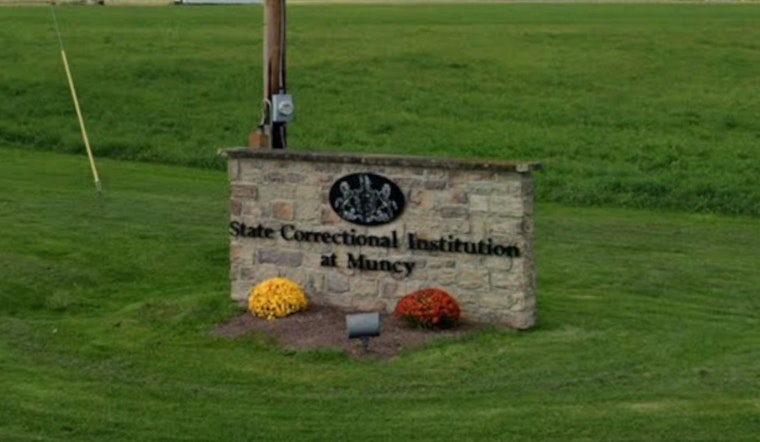
Inside the State Correctional Institution at Muncy, women in their 50s and early 60s are getting sick like people twenty or thirty years older. Surgeons and nurses describe a revolving door of operations, long waits to see specialists and a small hospice unit filling with patients who seem decades older than the dates on their prison IDs. New reporting and a Temple/WHYY podcast detail how prison stress, poor nutrition and delayed diagnostics appear to be speeding up decline behind bars.
Rising demand for medical care
Between 2019 and 2024, visits to Muncy’s infirmary surged by roughly 573 percent, a spike reporters say reflects more late-stage disease and complicated chronic conditions among incarcerated women, according to Temple Now. The Logan Center and a WHYY-partnered podcast trace a trail of repeat surgeries, dementia symptoms and serious mobility loss in women far younger than a typical geriatric patient. Prison staff and advocates say the rush for care is stretching nurses thin and clogging the system that moves patients to outside hospitals.
Who is housed at Muncy
State records show that as of March 31, 2026, about 1,031 people were physically present at Muncy, according to the Pennsylvania Department of Corrections’ monthly population report. Reporting from WPSU says roughly 143 women there are serving life without parole, many locked up since the 1980s and 1990s. That mix - a large overall headcount plus a concentrated group of aging lifers - helps explain why infirmary and hospice beds are constantly in demand.
Doctors describe "accelerated aging"
Medical experts use the term “accelerated aging” for what they see behind the walls: chronic stress, restricted diets and uneven access to preventive care that leave people in prison biologically older than their birth certificates suggest. Dr. Chris Manz, a medical oncologist at Dana-Farber who studies cancer in incarcerated populations, told WHYY, “The average age of a cancer diagnosis in prison is about 56, whereas for people who’ve never been incarcerated, it’s about 65.” Physicians say late screenings and the logistical maze of arranging outside appointments often mean those cancers arrive tougher to treat.
Evidence that prison time shortens lives
Academic research has tied incarceration itself to shorter lives. A 2013 analysis in the American Journal of Public Health estimated that for the parole cohorts it studied, each additional year served was linked to roughly a two-year drop in life expectancy. That study and follow-up work point to interrupted medical care, constant stress and untreated disease as likely culprits. Taken together, the findings recast aging behind bars as a public-health crisis as much as a corrections problem.
A costly problem for taxpayers
All of this is expensive. Reporting finds that Pennsylvania’s prison healthcare budget has more than doubled since 2002 and climbed to about 366 to 367 million dollars last fiscal year, with medical spending for women often topping 15,000 dollars per inmate, according to WHYY. The state has built a new infirmary at Muncy in recent years, but advocates argue the real driver of cost is preventable: delayed diagnosis and uneven care that snowball into late-stage disease and bigger bills.
Policy and legal options
The medical crunch is colliding with a major legal shift. On March 26, 2026, the Pennsylvania Supreme Court ruled that mandatory life-without-parole sentences for felony murder are unconstitutional and gave lawmakers 120 days to craft a fix, according to a statement from the governor’s office. The Sentencing Project notes that more than 1,100 people across the state are affected. At the same time, Spotlight PA reports that commutations remain rare, with just 17 women seeing life sentences reduced in the last half-century, so immediate relief for sick or elderly lifers is still limited without broader policy changes.
What to watch
Interviews recorded for the podcast put names and faces to the statistics. Longtime lifer Terri Harper, 57, told producers she has undergone seven surgeries in the past 15 years and still waits long stretches for follow-up care, according to the show’s listing. “Dying on the Inside” (Apple Podcasts) and related reporting suggest that better screenings, faster referrals and a clearer path to compassionate or medical release are the most immediate ways to ease suffering while legislators and courts wrestle with what long-term reform should look like.



