

























































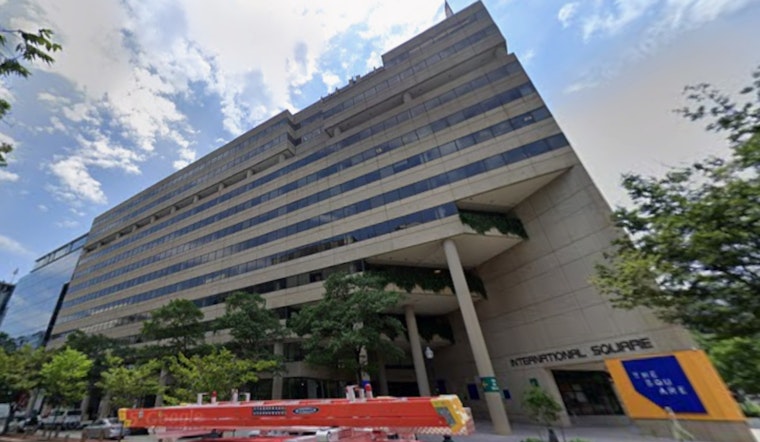
Tishman Speyer has shifted the $450 million loan on International Square, the three-tower office complex in downtown Washington, D.C., into special servicing ahead of its August maturity, a move that spotlights the refinancing squeeze gripping some of the city’s biggest office properties. The complex’s cash flow has fallen sharply since the mortgage was originated in 2016.
As reported May 18 by the Washington Business Journal, the loan transfer occurred "ahead of maturity," and net cash flow at International Square is now more than 40 percent lower than it was when the debt was put in place. The outlet framed the move as part of a growing wave of large office loans seeking breathing room before their deadlines arrive.
Loan details and timeline
Loan documents and rating agency presale materials show the 2016 financing was structured as a $450 million whole loan, with roughly $370 million carved into a CMBS trust and an August 10, 2026, maturity. The loan prospectus and term sheets list Bank of America as an originator and identify the deal as BAMLL 2016-ISQR, according to presale materials from S&P Global Ratings.
Why special servicing matters
Moving a loan into special servicing does not automatically mean a sale is coming. It hands the special servicer authority to lead negotiations, sign off on major decisions, and pursue workouts or extensions under the pooling and servicing agreement. Owners and sponsors have increasingly opted for early transfers this year as refinancing windows narrow and borrowing costs climb, a pattern emerging in other major markets and reported by outlets such as Bisnow and in market briefs tracking special servicing rates from CRE Daily.
Tenants, upgrades and local stakes
International Square has been undergoing a high-profile repositioning, including a new food hall and refreshed lobby space, in an effort to pull in and retain tenants. Even so, rating agencies and surveillance reports say occupancy and cash flow remain below the levels assumed in the original underwriting. Morningstar DBRS and other analysts have flagged tenant concentration and weaker net cash flow in recent years, while local coverage has tracked recent leases and repositioning work at the complex, including reporting from the Commercial Observer.
What to watch next
With the loan’s August maturity on the horizon, the special servicer will now evaluate options that could include approving an extension, negotiating a restructuring, or pursuing other remedies outlined in the trust documents and pooling and servicing agreement. Key questions are whether the sponsor can secure fresh capital or consensus among lender classes, and whether any near-term improvements in leasing or cash flow materialize before the maturity date.
For downtown Washington, the transfer is another signal that even renovated, name-brand office projects are facing a tough refinancing wall. Market participants will be watching how any eventual workout is structured for clues about the broader health of large office loans in the city.





