

























































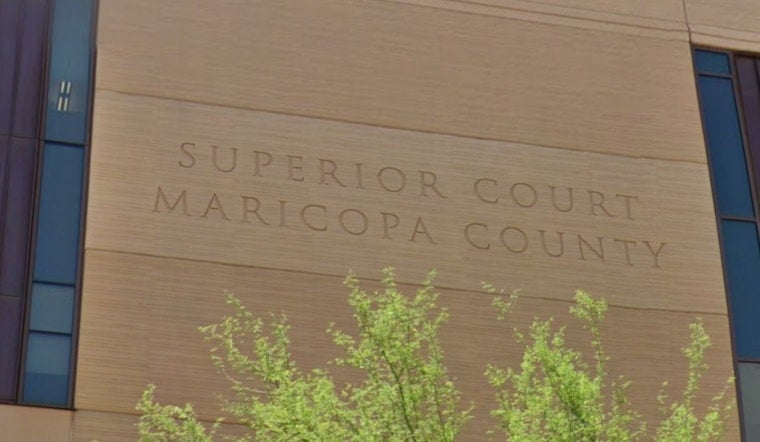
A Maricopa County Superior Court judge has handed Pinal County a major win in Arizona’s running fight over how elections are run, blocking a controversial provision in the state’s Elections Procedures Manual that local officials said would have quietly turned their precinct model into a de facto vote-center system.
The May 1, 2026 order keeps Pinal’s traditional precinct-based voting intact and grants the county the declaratory and injunctive relief it asked for, landing squarely in the middle of an already heated power struggle over how far the Secretary of State can go in directing county election procedures.
What the judge ruled
Judge Scott A. Blaney ruled that the 2025 "AVD Provision" overstepped Secretary of State Adrian Fontes’ legal authority and collided with statutes that give county boards, not the secretary, the power to decide whether to adopt vote centers. The order says the language would have required counties to preload accessible voting devices with "all ballot styles" and to count provisional ballots cast out of precinct, steps the court found were not allowed under state law. "The Secretary cannot accomplish indirectly what he is not permitted to do directly," Blaney wrote, according to the Maricopa County Superior Court.
What the EPM would have done
The 2025 Elections Procedures Manual told precinct-based counties that if a voter showed up at the wrong polling place, they should be offered a provisional ballot on an accessible voting device programmed with every ballot style in the county. The change, outlined in the manual and framed by supporters as an accessibility upgrade for voters with disabilities, is detailed by the Arizona Secretary of State. Critics and the court said the requirement would pile on logistical headaches and, in practice, nudge precinct-based systems into operating like vote centers.
Local officials react
Pinal County leaders quickly celebrated Blaney’s order as a win for local control. Board of Supervisors Chair Jeffrey McClure said the decision "uphold[s] the law" and affirms the county’s choice to stick with a precinct-based model, according to Pinal County. County Attorney Brad Miller, speaking on KTAR’s Mike Broomhead Show, urged residents not to panic and said people "should still have faith in their elections," per KTAR. Officials said the ruling gives them breathing room to prepare for the 2026 primary.
Fontes' defense and the statewide fight
Fontes has argued the AVD language was designed to expand access for voters with disabilities and pointed out that most Arizona counties already use vote centers, as reported by KJZZ. The decision lands in the midst of broader legal battles over the Elections Procedures Manual itself and whether the secretary is bound by the state’s Administrative Procedure Act, fights that have drawn in lawmakers and could set the stage for appeals, according to the Arizona Republic.
Legal implications
Blaney’s opinion leans heavily on the idea that the Secretary of State only has those powers specifically granted by the Legislature and cannot use the Elections Procedures Manual to create new statutory duties for counties. The court grounded its reasoning in A.R.S. §§ 16-411 and 16-584, according to the Maricopa County Superior Court. The ruling could fast-track an appeal to sort out how far administrative manuals can go when they brush up against state law.
What's next
Both sides are expected to weigh their appeal options in the coming weeks, and Blaney acknowledged the need for a quick resolution with election deadlines closing in, as reported by the Arizona Republic. If a higher court issues a stay or overturns the ruling, counties like Pinal could face a compressed timeline for any move toward broader vote-center-style practices ahead of the July primary.





